The Tower of London

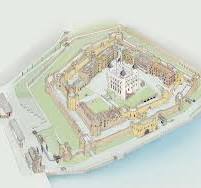
The Tower of London is a structure of beauty, power, intrigue, and horror. It was built by King William I, better know as William the Conqueror, in the 1070’s after his coronation. He was nervous concerning possible rebellion and built the fortress as a protection and to prove his power. It took 20 years to build and has other structures of interest inside of it. The inner wall has 13 towers of protection while originally the outer wall was a moat filled by the Thames River. The moat was drained in 1843. I learned a lot here but mostly that the Tower of London is not a single building. Here is a picture of today’s map to give you an idea of it huge size.
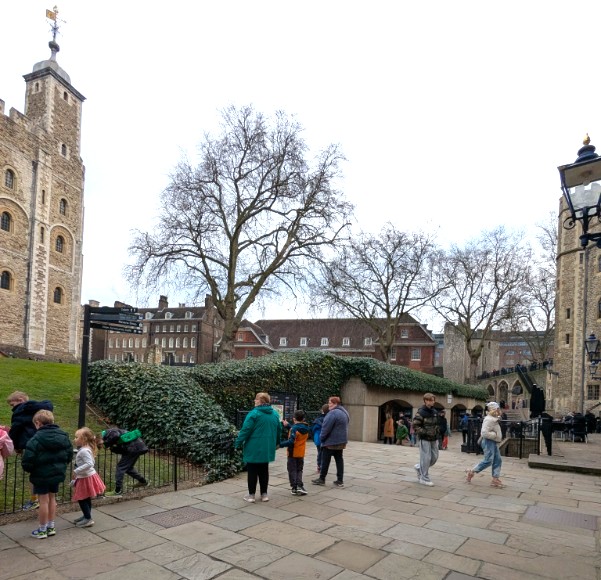
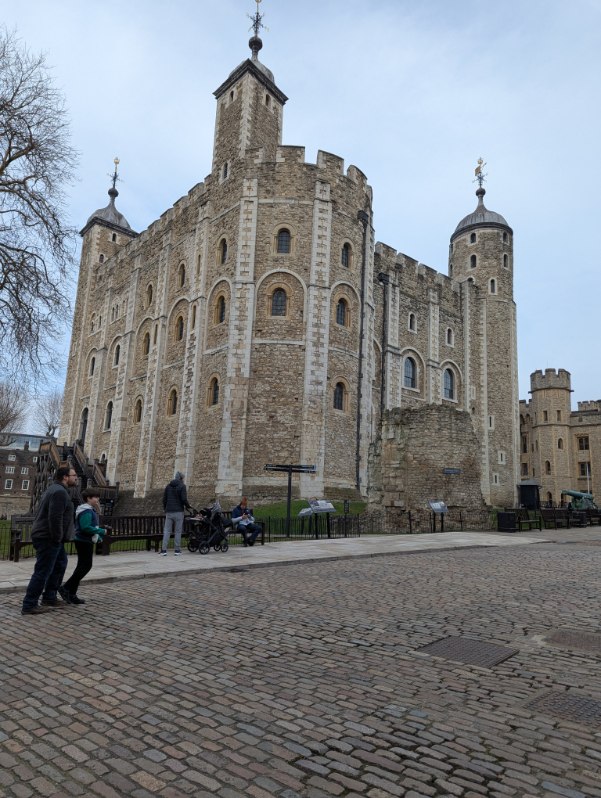
The heart of this facility of course is the White Tower, Britain’s most famous castle.
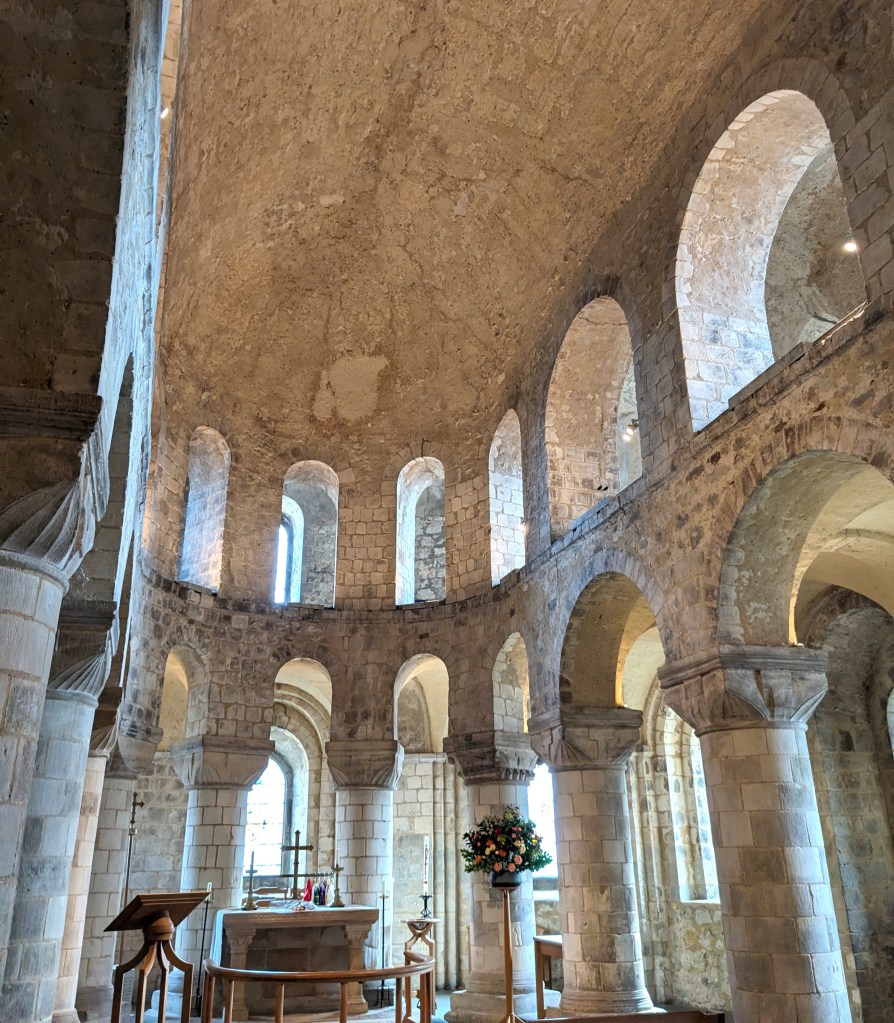
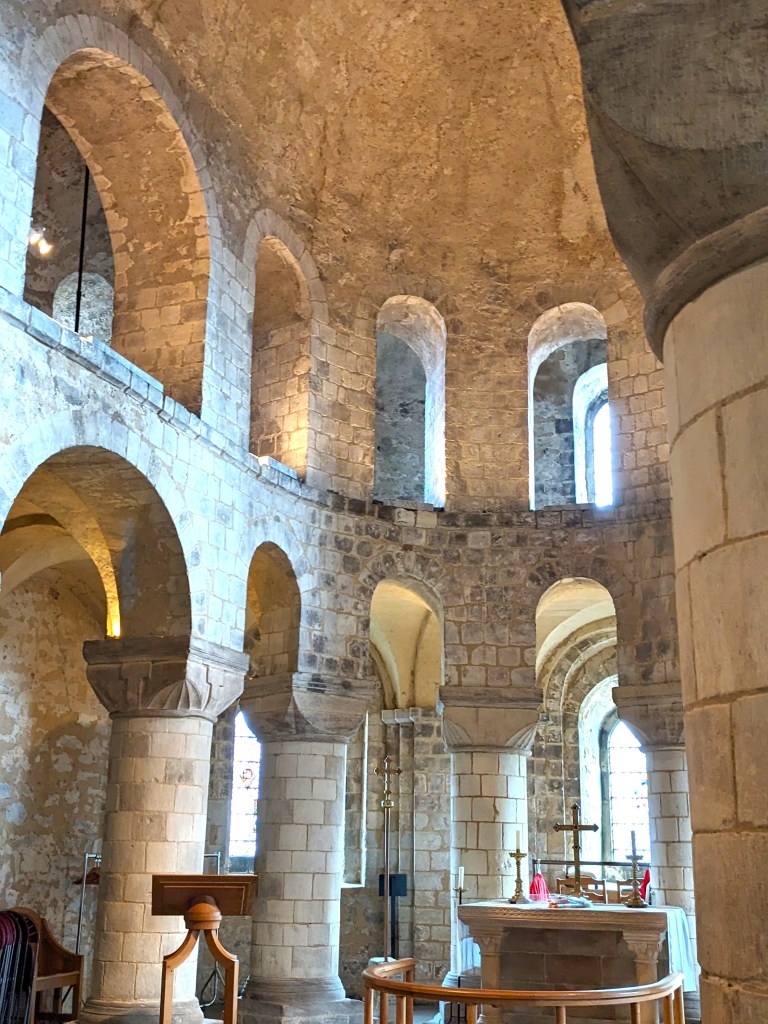
Inside the castle is the unique Romanesque chapel, Chapel of St. Joh the Evangelist. The stairs were too much for me so my daughter took some pictures for me.

And of course the most intriguing part is, this is where the Crown Jewels are still kept. And no, we were no allowed to photograph them but I promise they were amazing.

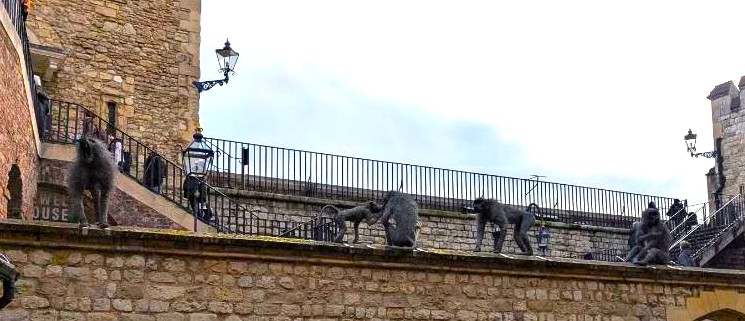
Another interesting thing was the Royal Beast. For those who know what an animal lover I am, this was amazing, not because of the animals that are no longer there but the artists creations of these beast out of wire mesh. This evidently was the first zoo, ever, as animals from different parts of the world were given to the King as gifts from their country. Of course my favorite was the elephant – amazing life size artwork.

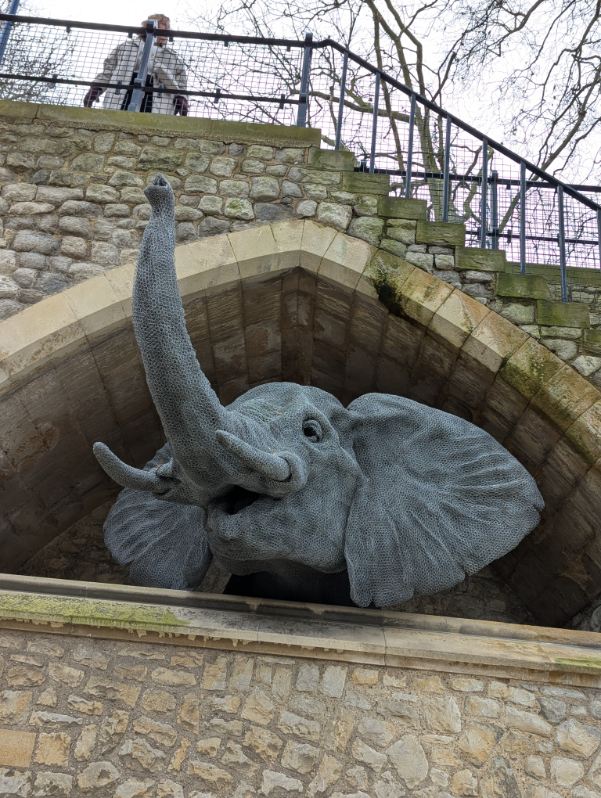
Other life size animals were bears, lions and an array for different monkeys.

There are still living creatures around the fortress and are well cared for…and they are noisy. Ravens. Plus they are all named.
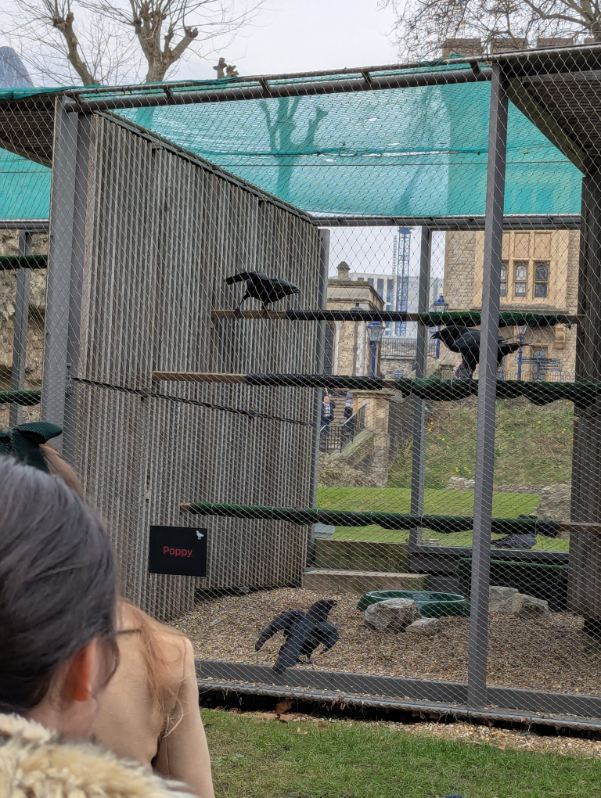
There is a long standing legend that states that the Tower and the Kingdom will fall if the ravens were to leave. Now I am familiar with black crows and their size but these birds are huge.

Legends aside…the Yeoman Warders are the true protectors of this amazing place. They have been there since 1337. Today men and women are recruited for the Armed Forces taking on a royal oath of protection.

Another form of protection were massive cannons. This one in particular seem to have more bling that most cannon should.

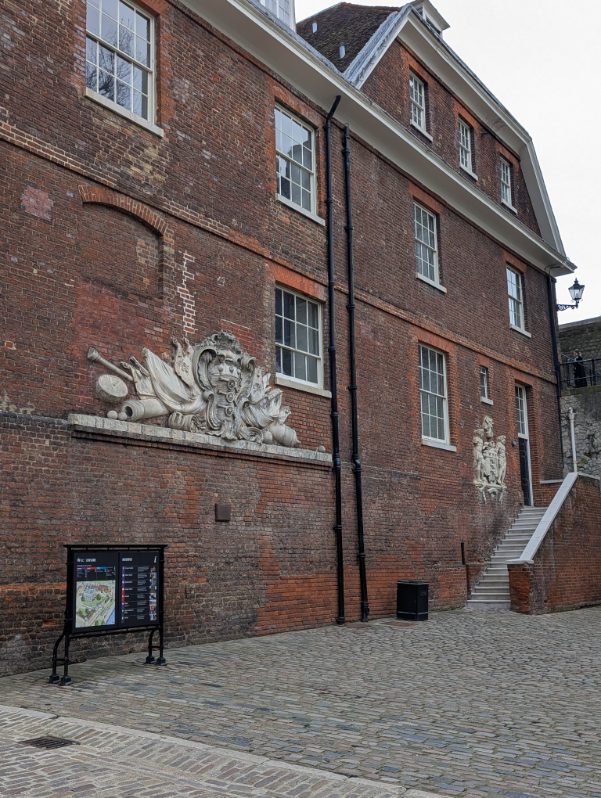
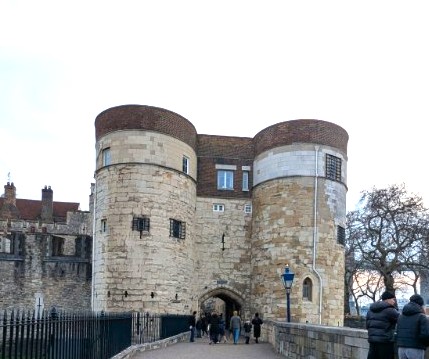
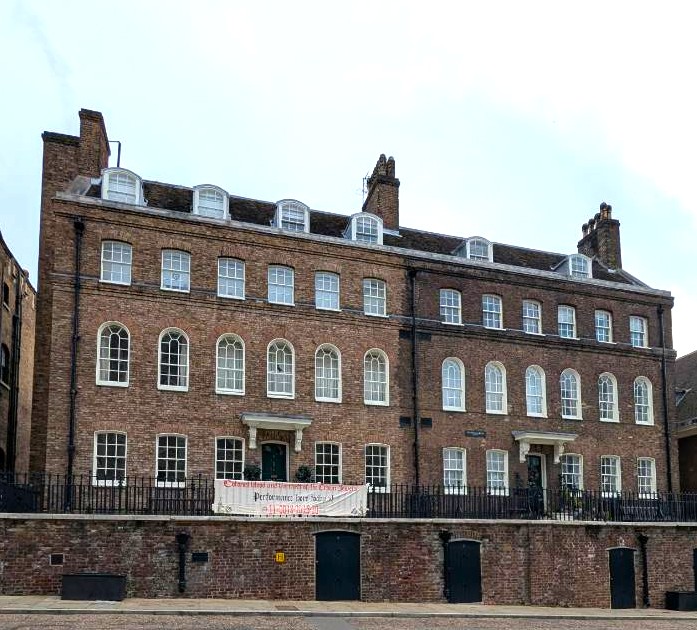
Below are some of the more interesting building starting first with the main entrance.
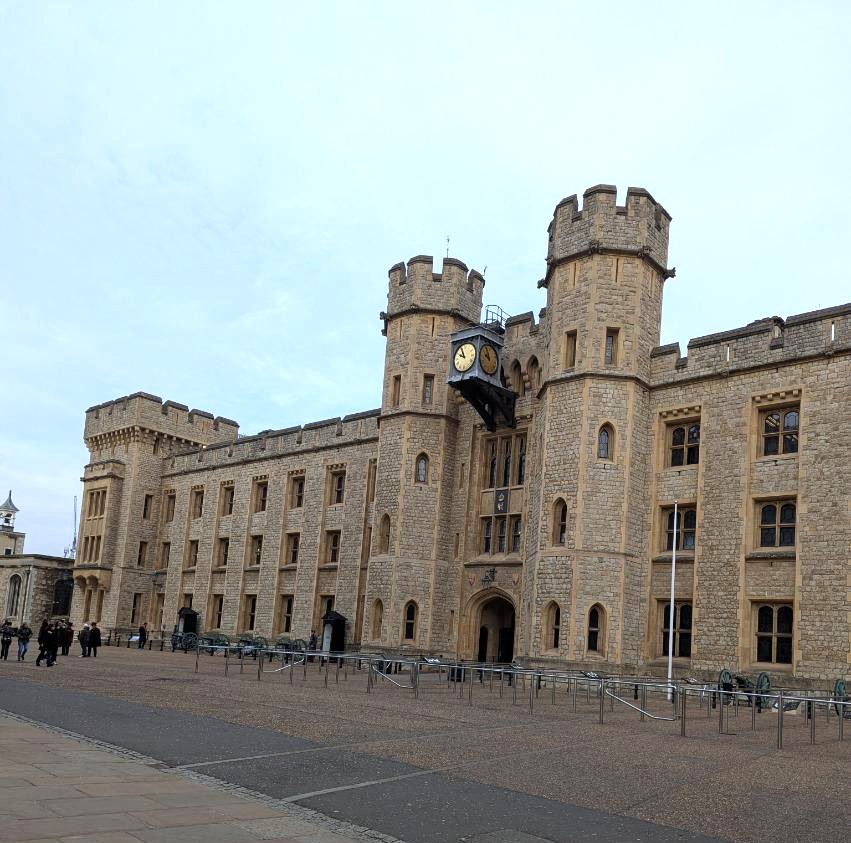
Going through this beautiful facility, I was reminded how history can be beautiful, powerful and insanely cruel. I am reminded of how if we could all learn to be honest, kind, and caring for one another to one another, what a difference it may make in the whole world.

Amazing Adventure

Our trip to England, Scotland and Ireland was unbelievable. I have shared with you a portion of day 2 of London and those are only 1/4 of the site we saw…on day 2. For the entire trip I took over 600 photos and trying to get those organized is a challenge.

So lets jump to day 3 as it was a little less busy because we went on a tour out of town to Oxford, Stonehenge and Windsor Castle. We were not originally scheduled for Oxford but their were issues at Rosslyn Chapel and Oxford was put in its place.

There really isn’t much to say about Stonehenge other that …WOW. We have all seen pictures of it, know of its mysteries and curiosities but to stand next to those massive structures, unbelievable.

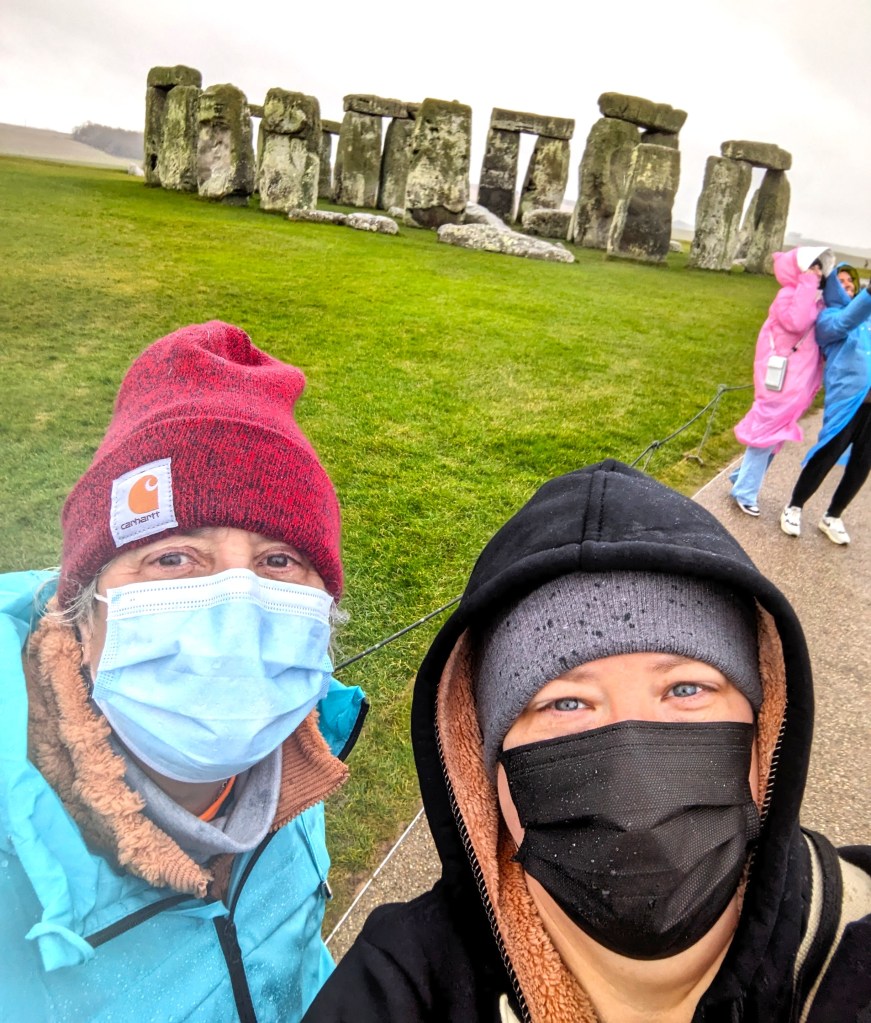
And to prove we were actually there…in the rain. This was the only day we really saw rain and that is amazing in itself.

My daughter and I at Stonehenge in the rain.

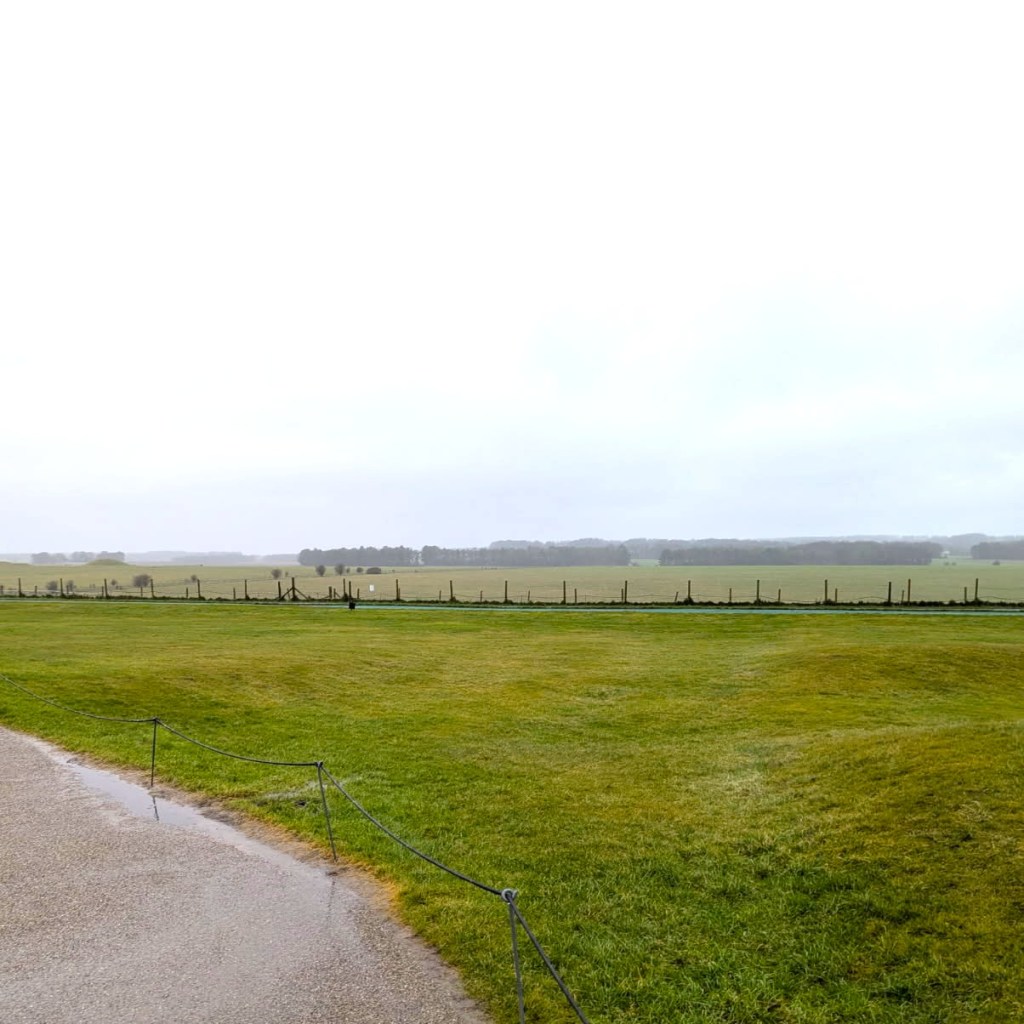
All around the the area were sheep farms. Beautiful rolling hills were filled with sheep. In the distance you could see the formation of possible other henges which are actually round formations with surrounding mounds of protection.

From Stonehenge we headed to Oxford. Oxford seems like a typical college town but the concept is different that what we think here in the US. This town was created because of the college sometime around 1096. Today it is a massive University with 39 separate colleges and these college are not you typical 2-4 buildings per college, they are each full blown colleges.

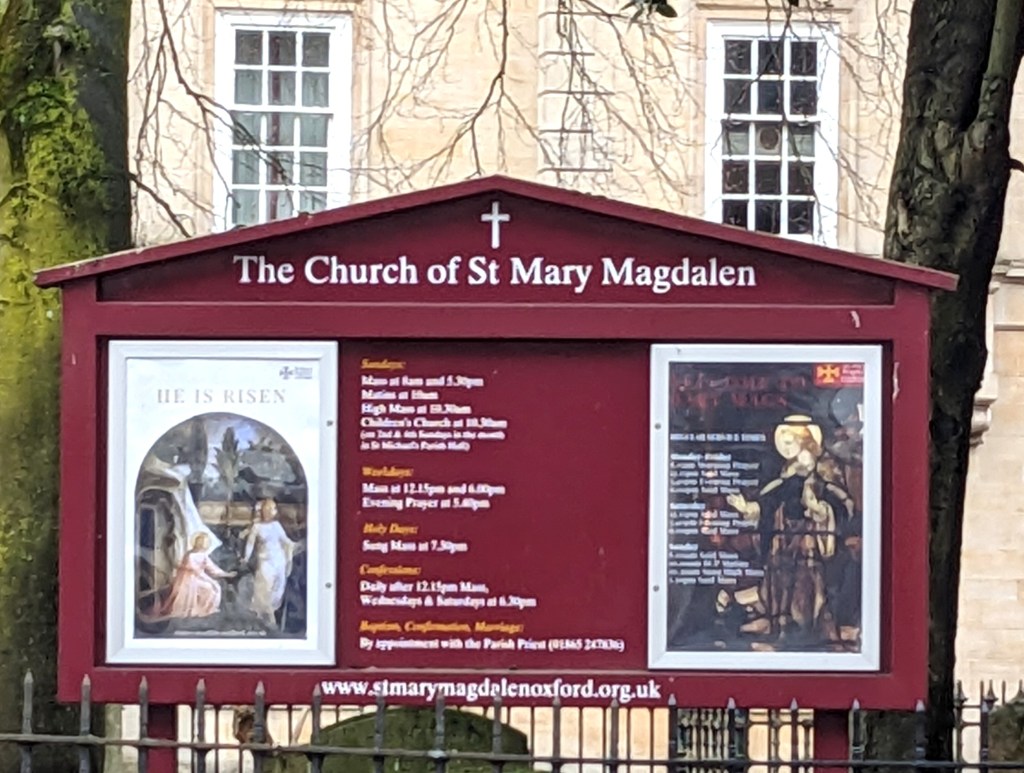
My daughter and I main purpose in visiting these beautiful historical towns is to see the ancient architecture and the beautiful churches. Oxford did not disappoint as in the middle of town is the church of St. Mary Magdalen.

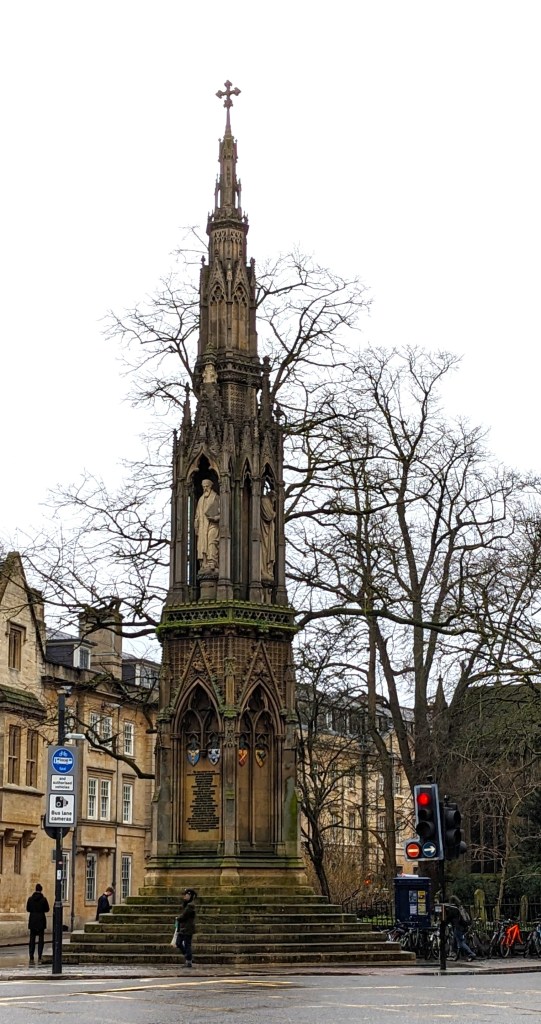
As you approached the church that is centered between a split of two streets, you first saw the massive monumental spire on the outmost point.

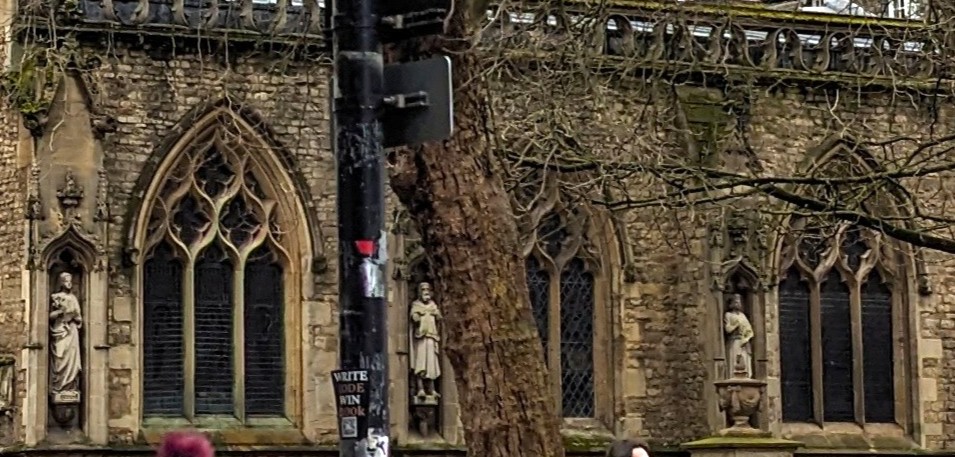
With closer inspection you see the statues and intricate carvings.

The church exterior at first is somewhat plain until you get behind it on the cemetery side.

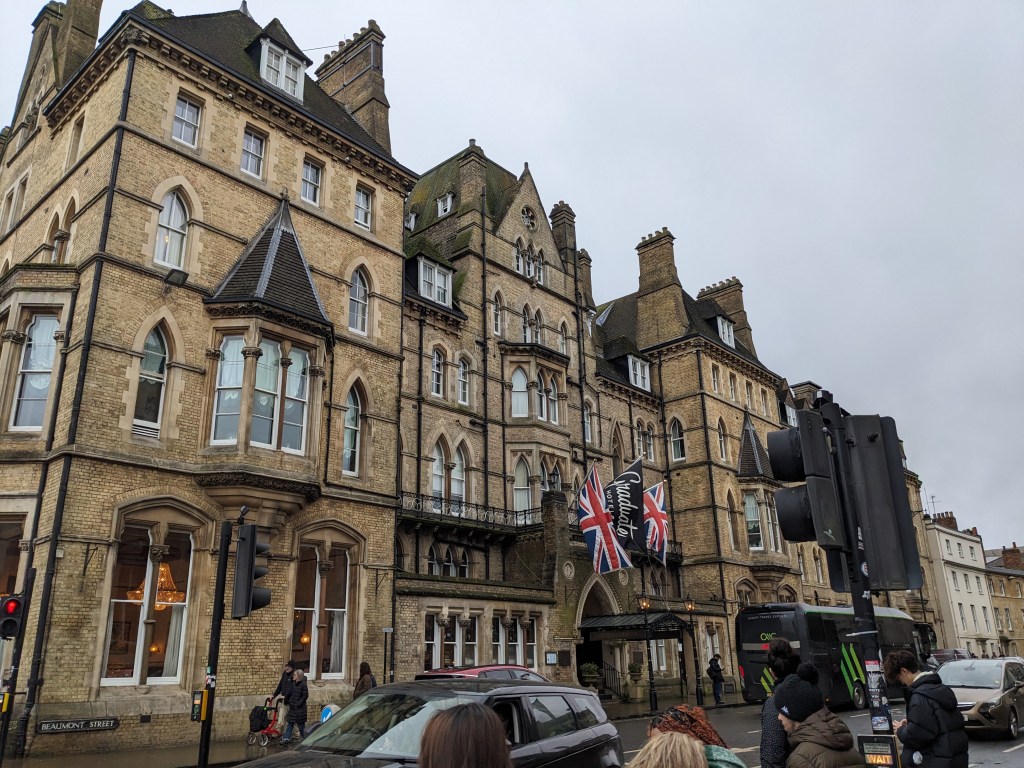
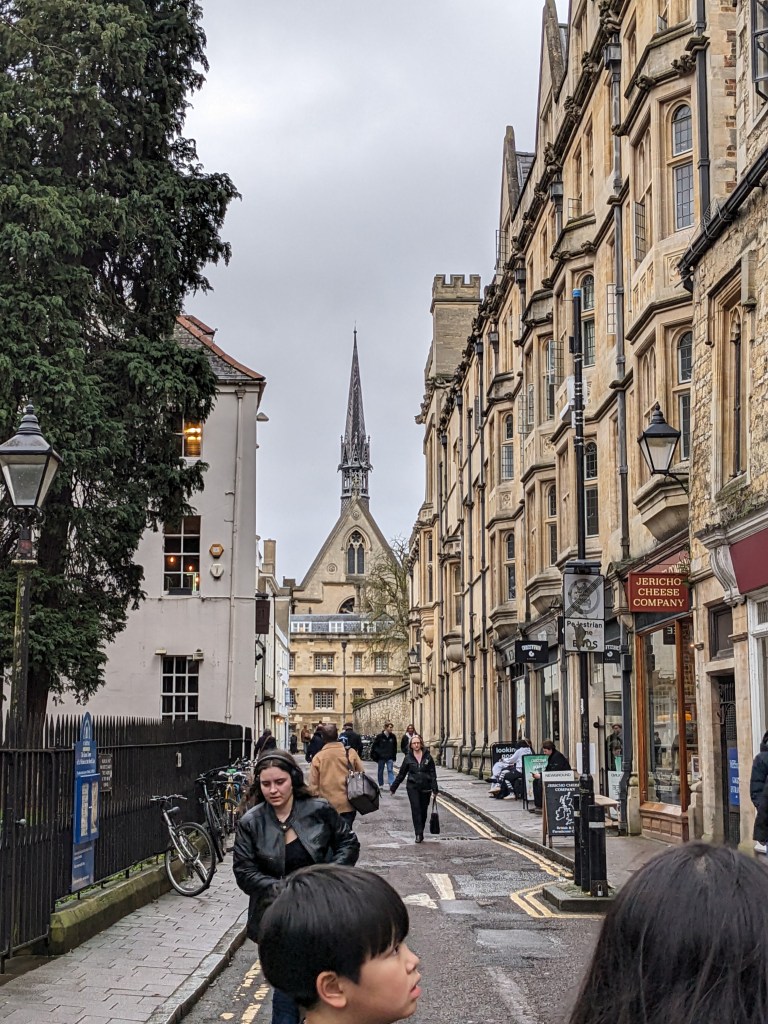
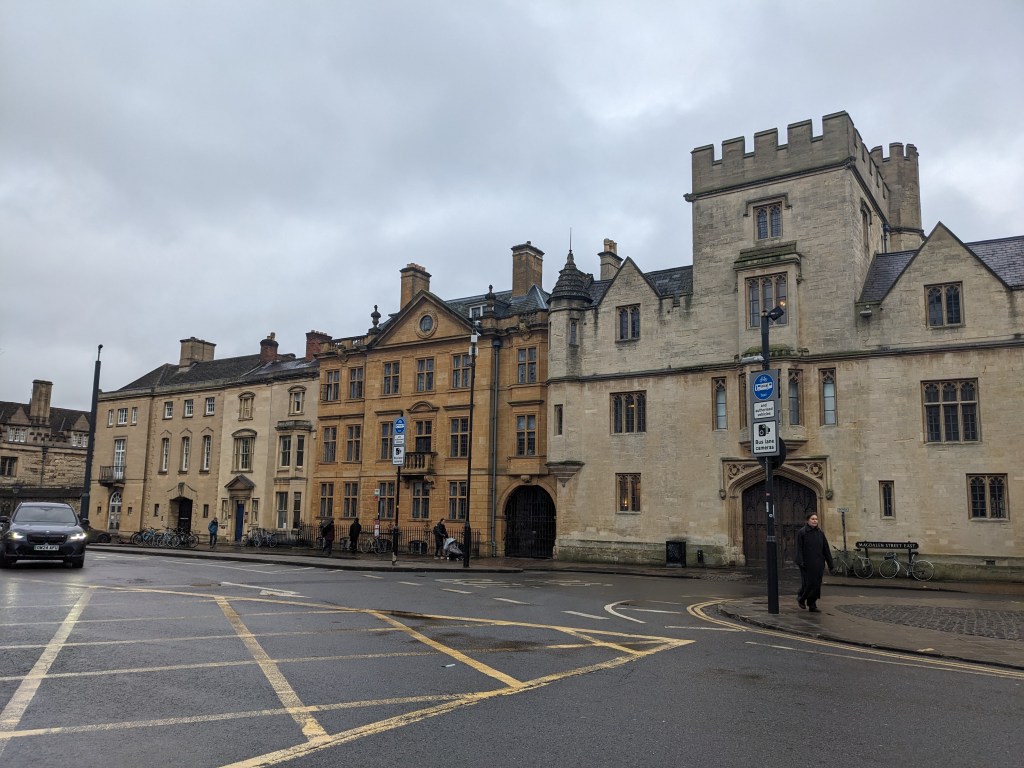
Since we were not expected to go here, we did not get a chance to study what all we would see. So I have included some of the more interesting buildings.

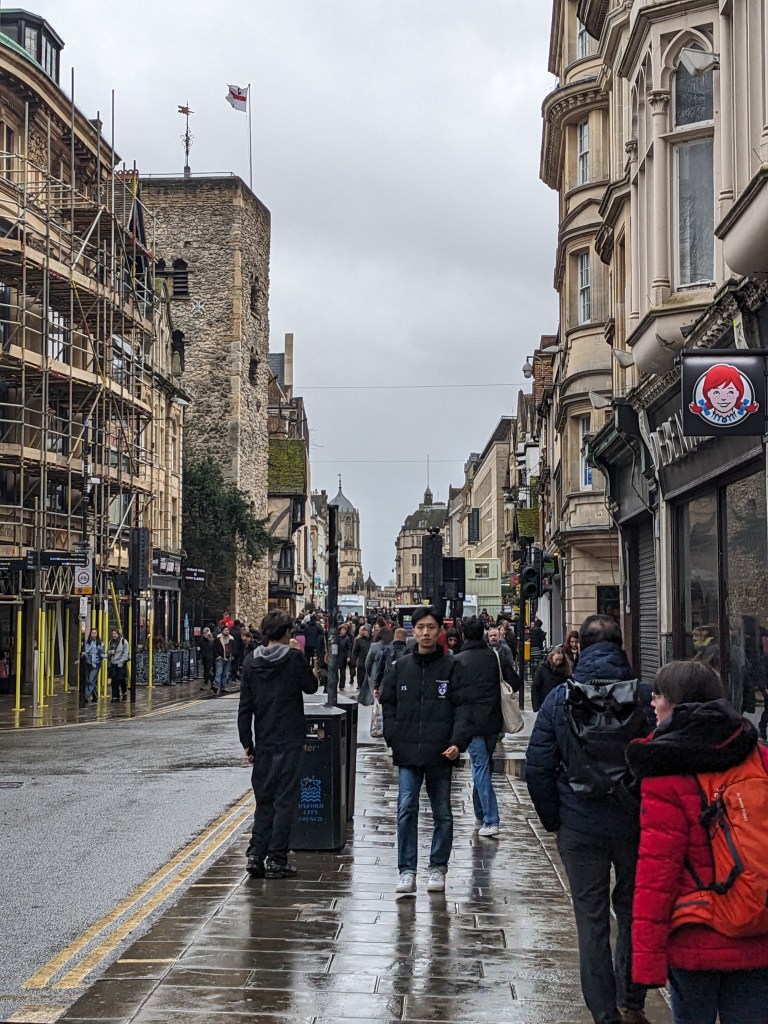
It was interesting the fast food place we know here are everywhere there. See the Wendy’s sign? The food in London, because it is a major city of foreign trade, did not have a lot of food that interested us. If you into Mediterranean, Indian, or Thai, you will be fine. I am sure that outside the the city proper, you get more a English fare.

I will finish off day three with Windsor tomorrow. Until then, remember to be kind. While on this trip, we really saw the benefits of kindness.

St. Bartholomew The Great

We saw many wonderful churches as we roamed the streets of London, but the one that quickens my heart the most was St. Bartholomew the Great. It is London’s oldest surviving parish church, built in 1123, with the Hospital of St. Bartholomew the Less. St. Bartholomew the Great is the central parish, while St. Bartholomew the Less is a chapel within the parish, situated within St. Bartholomew’s Hospital.

The priory gained the reputation of healing powers, with many people filling its aisles on St. Bartholomew Day. Many disabilities were noted as being cured, and others were cured within the hospital that is still in operation today.

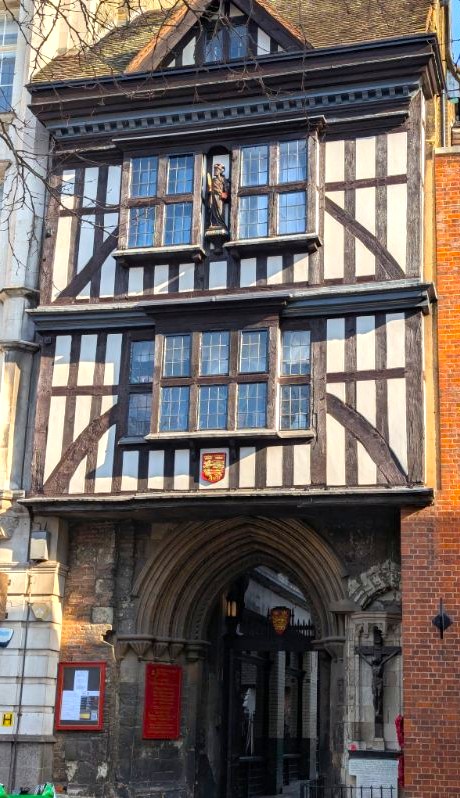
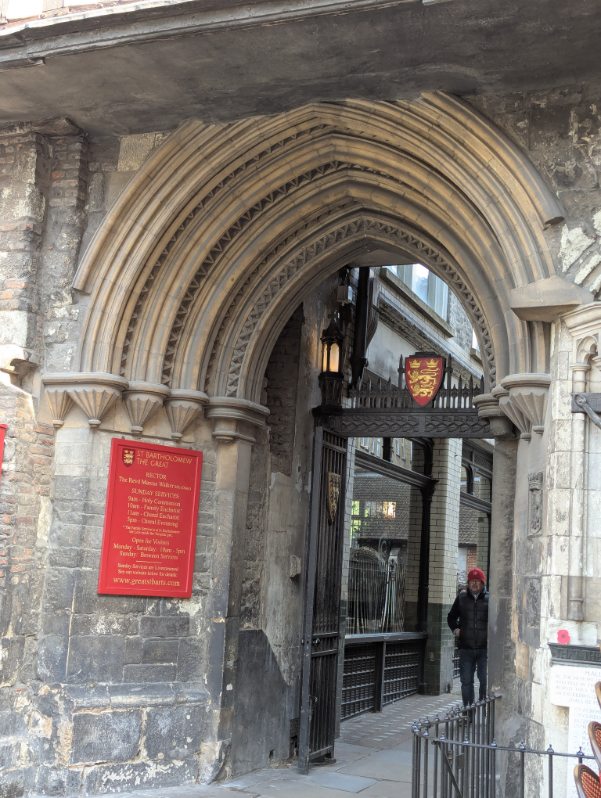
West side entrance

This entrance was adjacent to the hospital and an entrance to the used for the St. Bartholomew Festival, on August 24, England’s largest medieval market attracting aristocrats as well as the poor.

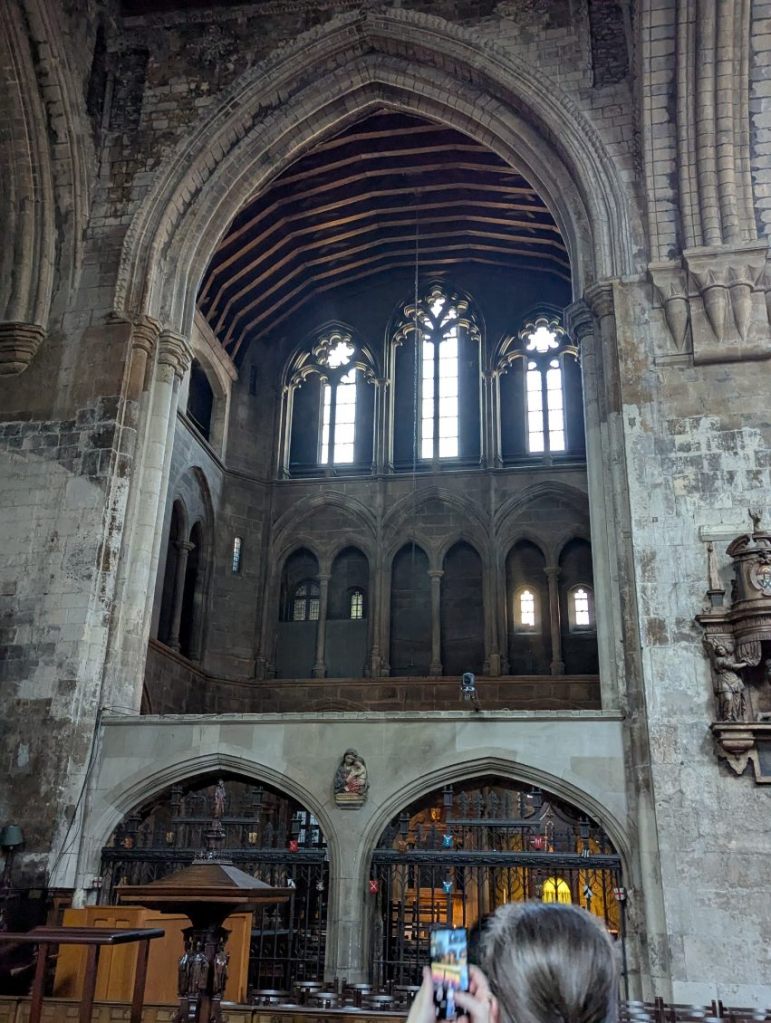
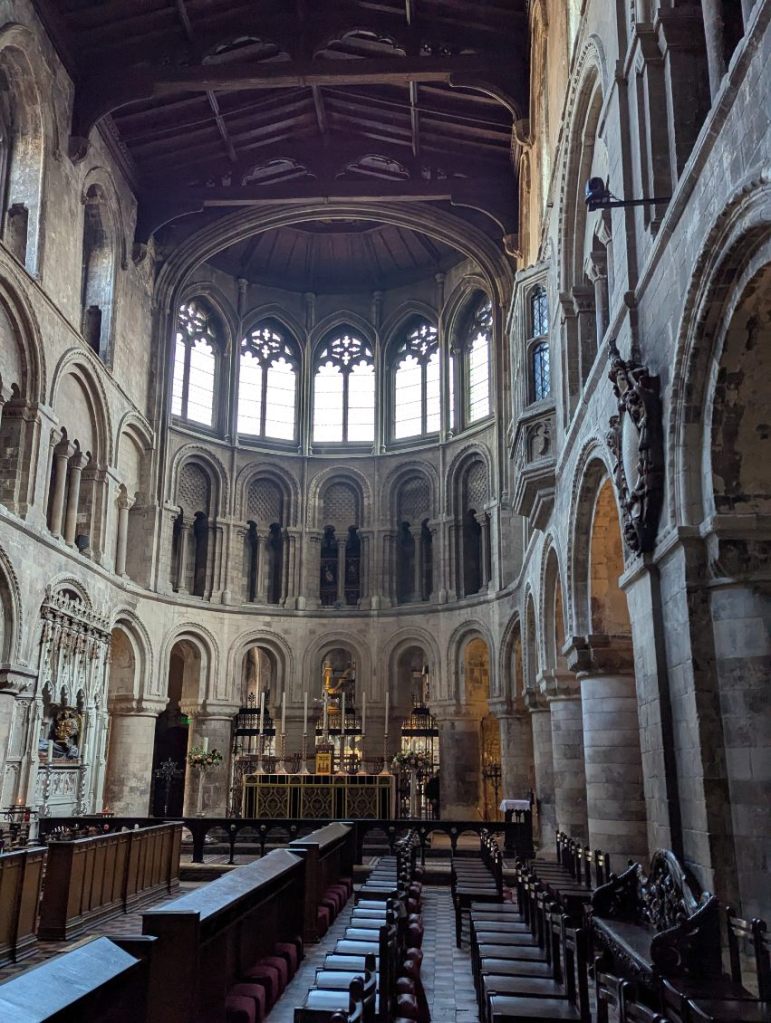
Inside the church is a different kind of beauty, knowing the church’s era and some of its history. Several movies were filmed in this church – Robin Hood, Shakespeare in Love, Sherlock Holmes, and even Transformers.

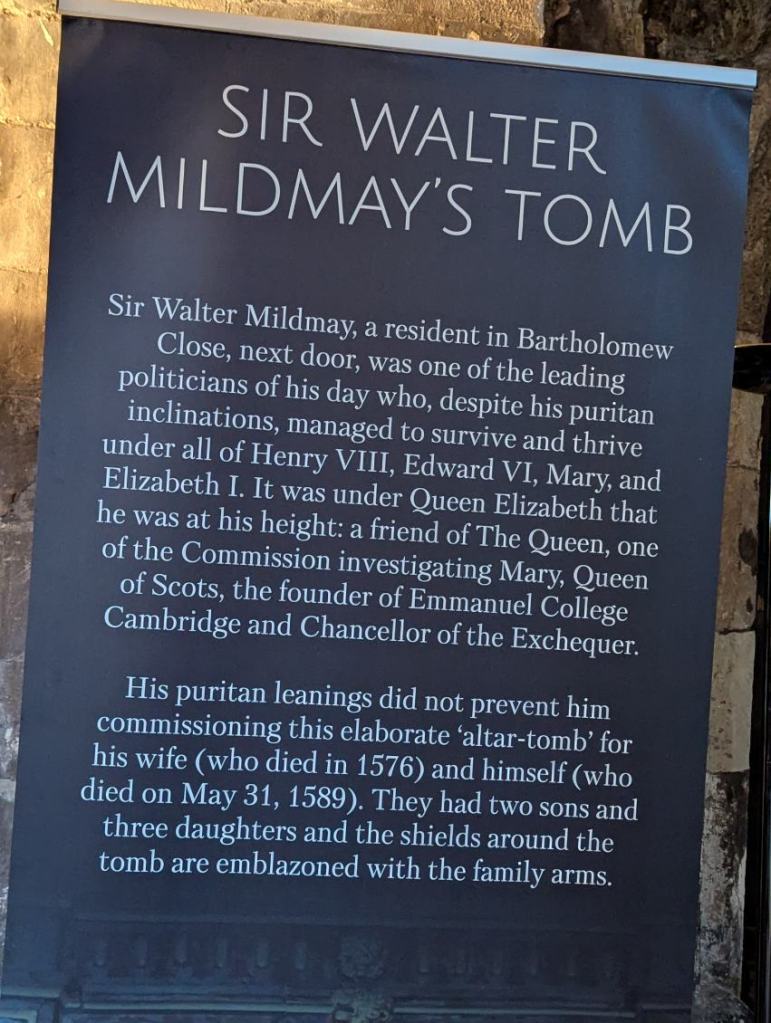
Like most of the churches we saw, graves and tombs were above ground and on display.

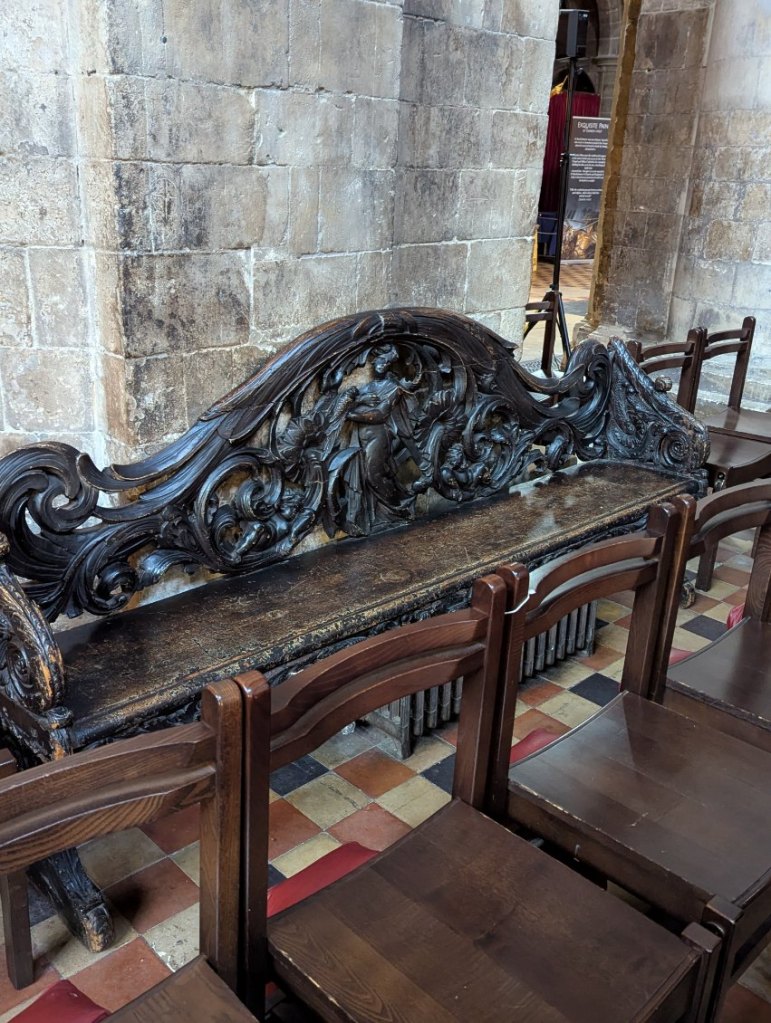
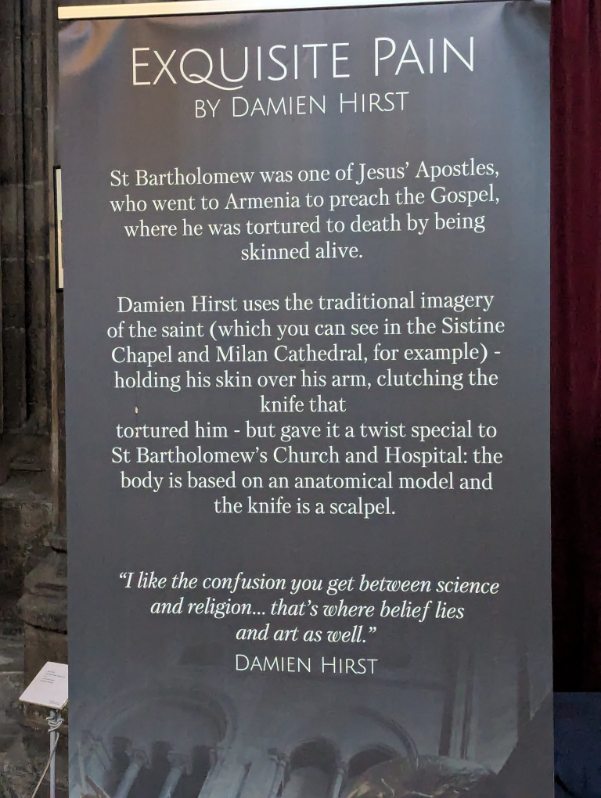
But the beauty of this church was lost on me, even now, because it reminds me of the cruelty of man. An artist, Damien Hirst, created an amazing statue of gold overlay depicting St. Bartholomew’s death as he was skinned alive before being decapitated for preaching Jesus’ love.

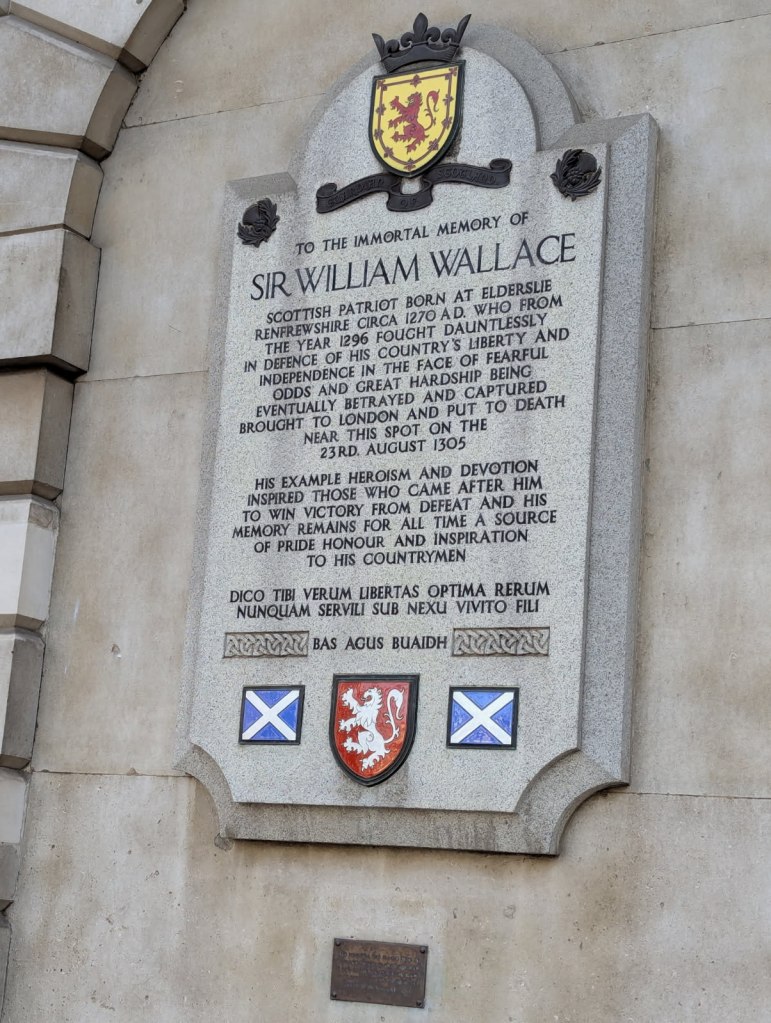
Then you go just outside and see where William Wallace was drawn and quartered within sight of the church near the entrance of the hospital.

Have we gotten any better as human beings? I look at today’s news, and still, we see horrific ways that we treat each other. I pray that God reaches our hearts and shows us a better way.

More of Day 2

There was so much to see there that my brain is still on overload. So, I will take the time today to share some of the sights we saw while walking around London on day 2.

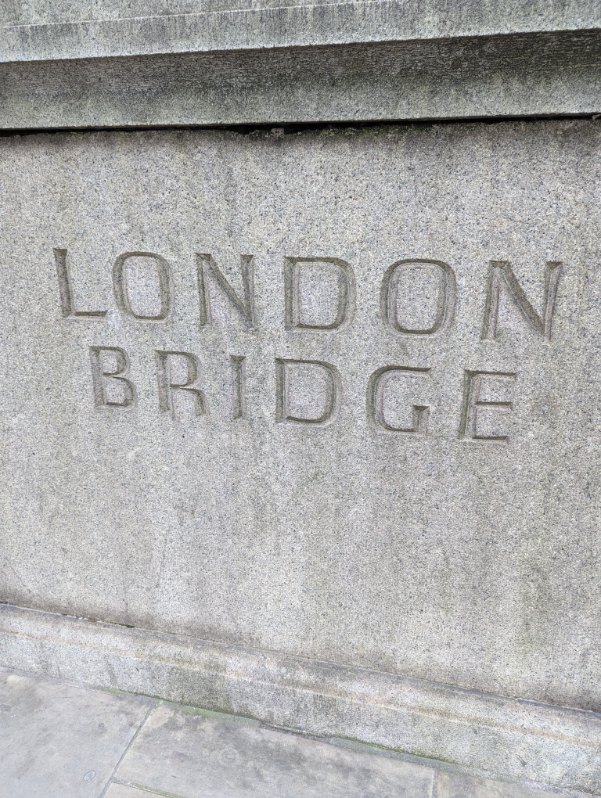
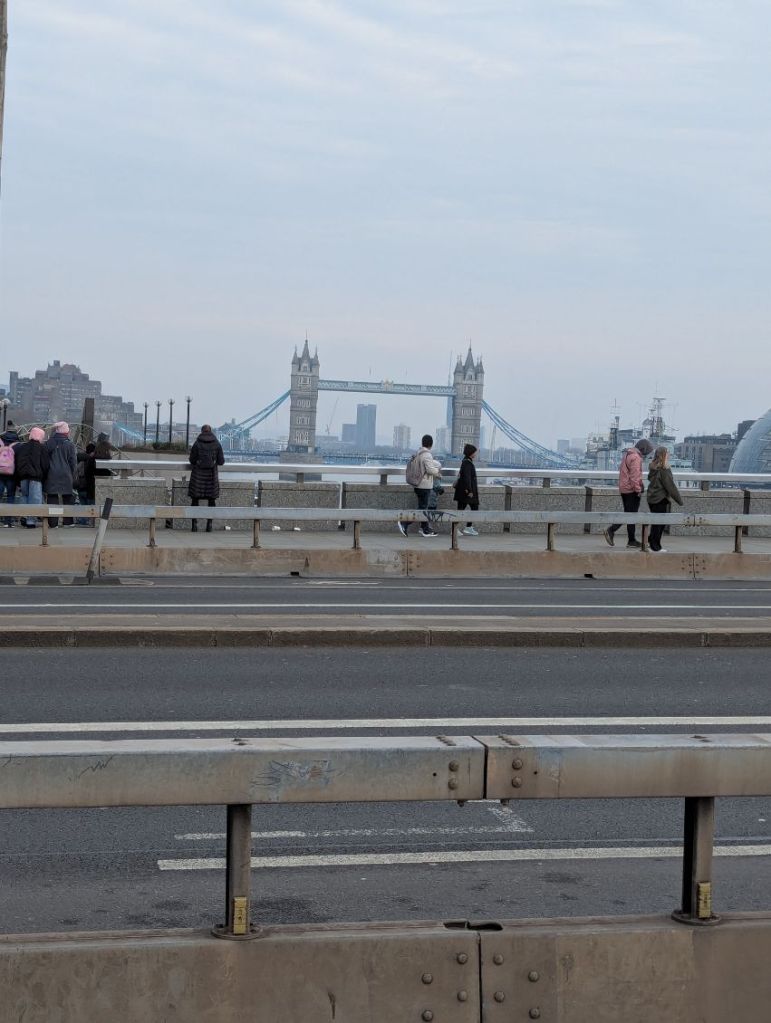
The walk along the River Thames was as enjoyable as it was relaxing, and I learned a bunch of stuff, like the image in my head of London Bridge is actually Tower Bridge as it leads to the Tower of London. London Bridge is a concrete bridge much like the ones we see today with wide walkways for people to walk.

Tower Bridge is much more graceful and elegant than the other bridges in London. It was built in 1894 with roadways that lift for passing ships. It is an engineering marvel and an icon for London.

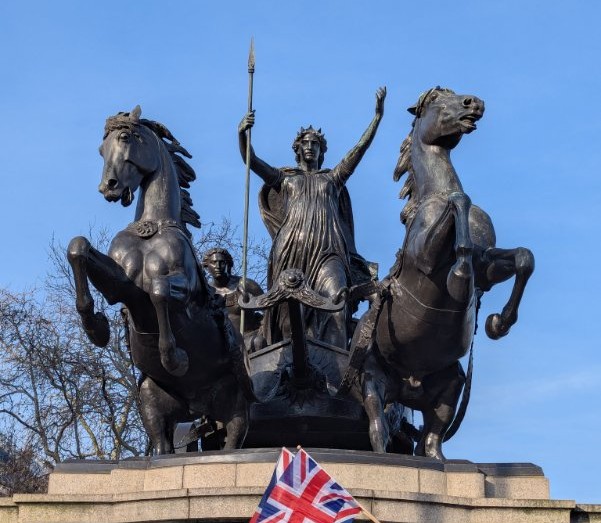
Continuing your walk down the Thames, the first statue/monument you see is that of Queen Boudica. Boudica or Boudicca was a queen of the ancient British Iceni tribe who led a failed uprising against the conquering forces of the Roman Empire in AD 60 or 61. She is considered a British national heroine and a symbol of the struggle for justice and independence.

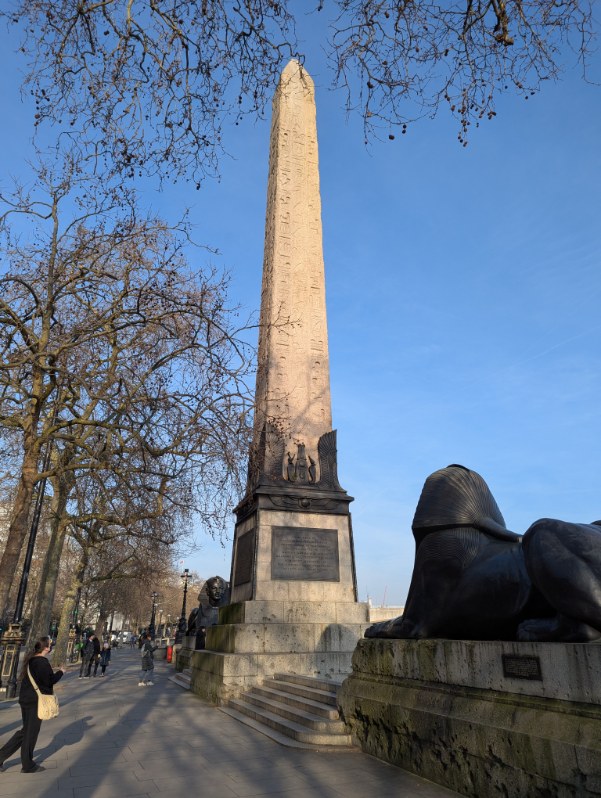
Our goal was to walk down to Cleopatra’s Needle. Cleopatra’s Needle in London is one of a pair of obelisks, together named Cleopatra’s Needles, that were moved from the ruins of the Caesareum of Alexandria, in Egypt, in the 19th century. Inscribed by Thutmose III and later Ramesses II of the Egyptian New Kingdom, the obelisk was moved in 12 BC to Alexandria, where it remained for over 1,800 years.

It was presented to the United Kingdom in 1819 by the ruler of Egypt and Sudan Muhammad Ali as a diplomatic gift. Although the British government welcomed the gesture, it declined to pay to move the obelisk to London. It was subsequently erected in the West End of London on the Victoria Embankment in Westminster in 1878.

On either side of the Needle are Sphinx that protect it. Along the bottom of the Sphinx, you will see holes and damage from bullet/shrapnel fire during WWI.

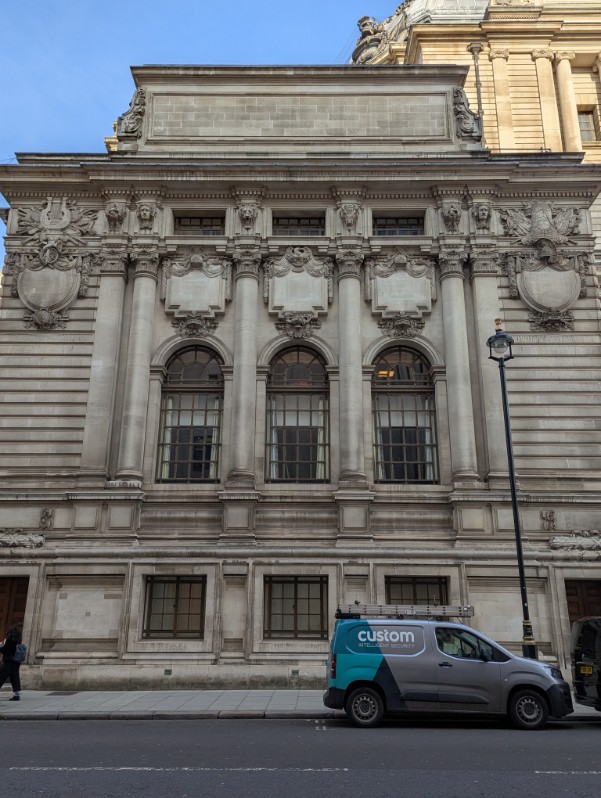
As we walked through the city, we kept seeing this tall monument. I took pictures from several streets that showed it’s central location of the area. Standing 202 feet high and 202 feet from the spot on Pudding Lane where the great fire is thought to have started, The Monument to the Great Fire of London is the tallest isolated stone column in the world.

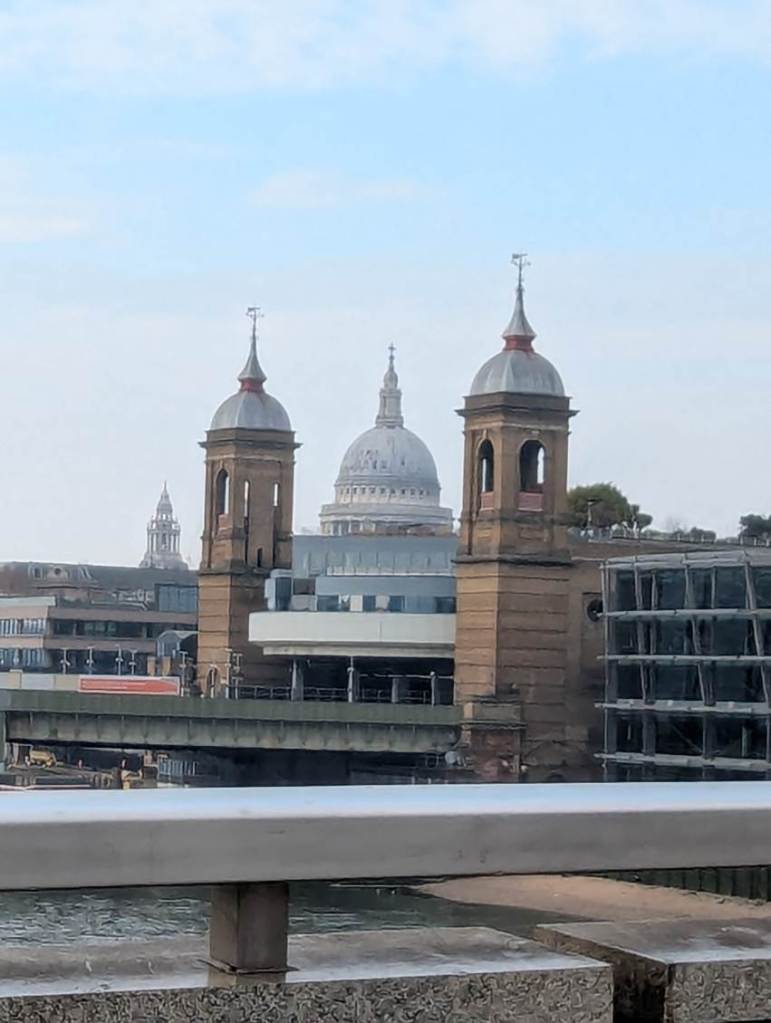
Below are other buildings with interesting architectures that I enjoyed.
I hope you have enjoyed these as much as I did. I am always fascinated with these grand structures built so many years ago with such grace, elegance, and artistry.

I close with a reminder to be kind and show that we can change the world with kindness…if everyone is kind.

Day 2 of London

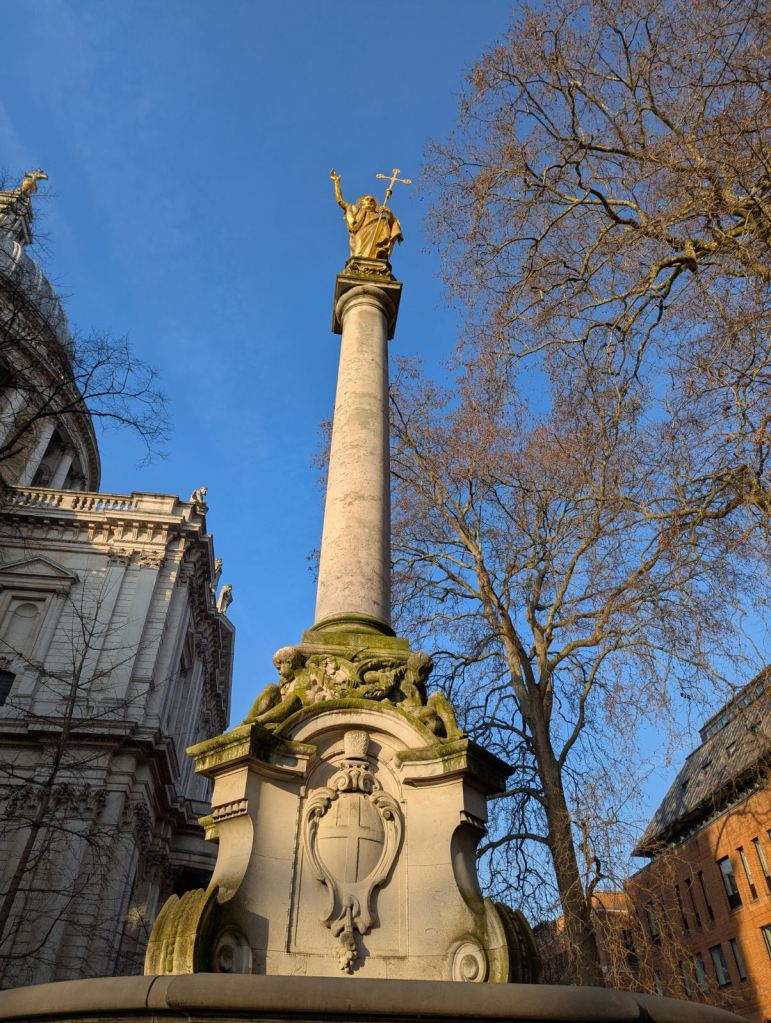
Day 2 started with a fantastic tour of St. Paul’s Cathedral. St. Paul’s was designed by Sir Christopher Wren in the late 17th century and has been home to the Cathedral Church of the Diocese of London for over 1,400 years.

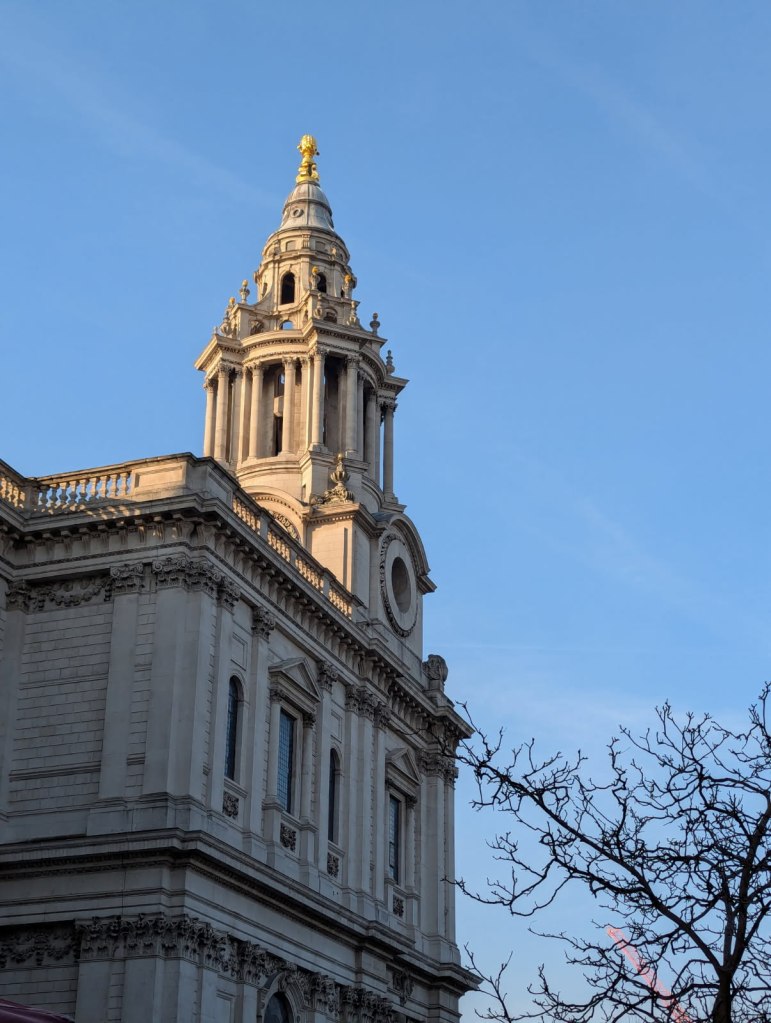
The exterior of the building only whets your appetite for what you will see inside.

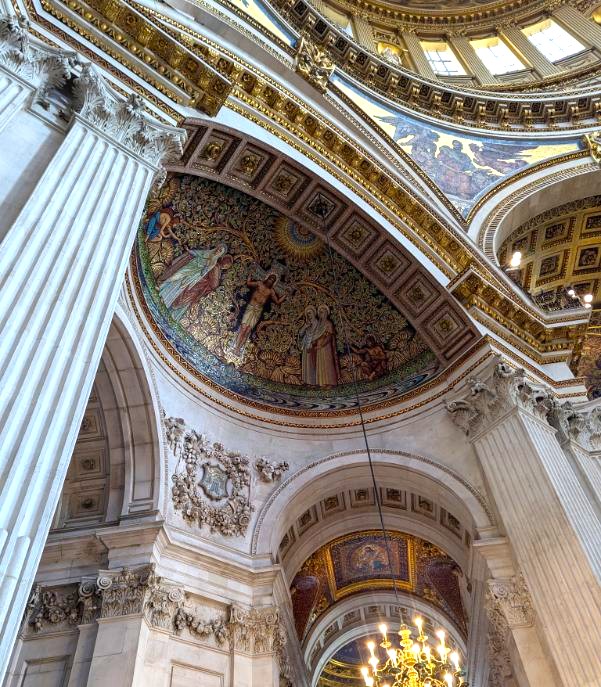
Once I was inside, I was amazed by its size. I knew it was big, but it was so open, with massive arches supporting this beauty. Coming from an architectural/engineering background, I am easily amazed by ancient buildings, knowing what tools, materials, and artistry they used for construction that could never be matched today. Yes, we have amazing structures today, but they can not compare to these 17th and 18th century works of art.

As you walk the aisles of this building, you will see what I am talking about.

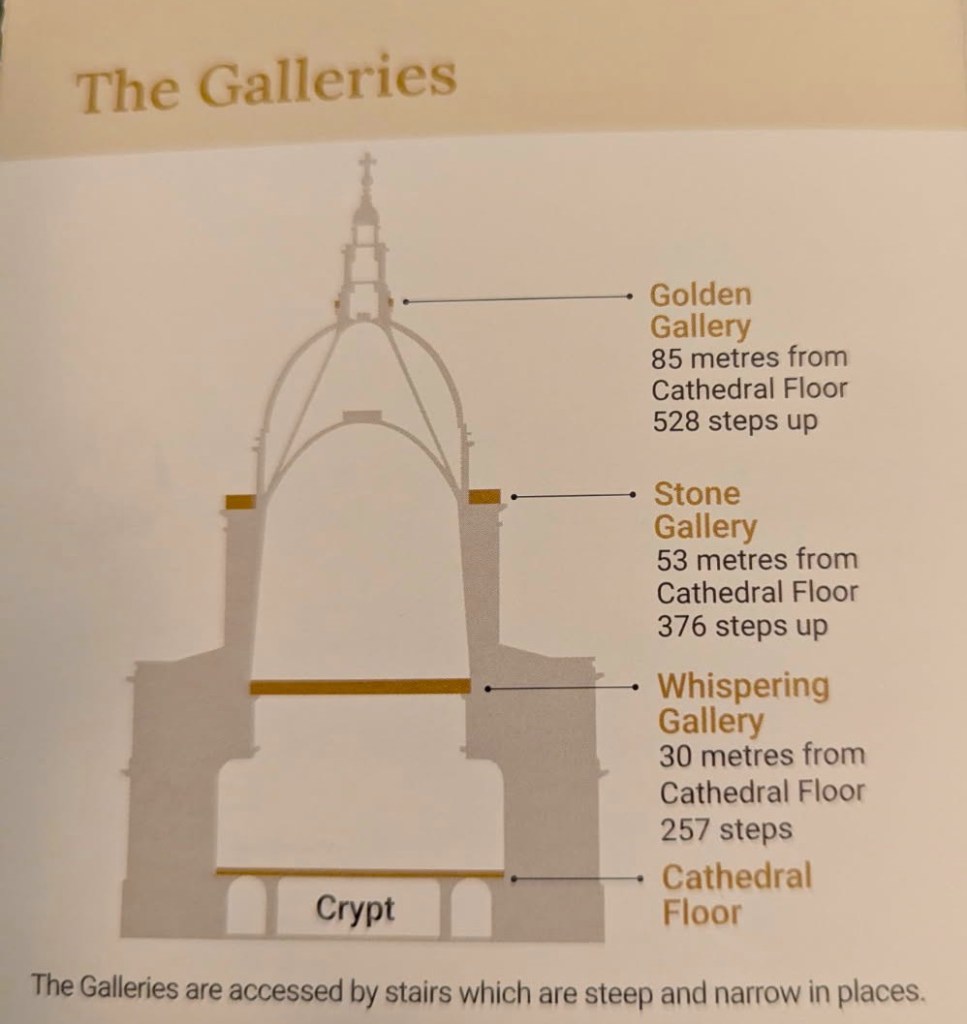
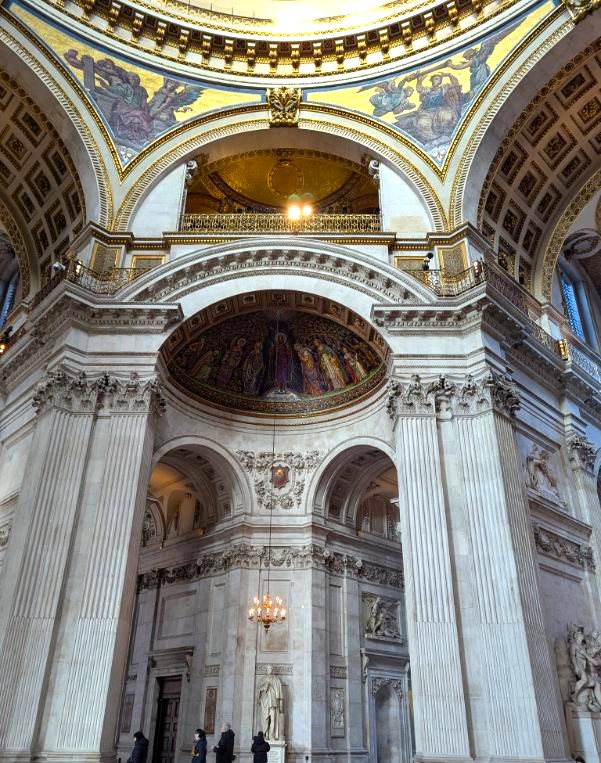
This is the overall view of the nave, which shows the height of the walls and the lower section of the dome. If you look at the first level of the dome, called the Whispering Gallery, you can see cages of protection for those who chose to walk up the 257 steps to view the floor at 98 feet high. My daughter did that while I had the sense to sit quietly and enjoy the view. You can then go another 376 steps, 174 feet from the Cathedral floor, to see the spectacular view outside from the Stone Gallery. Higher still is the Golden Gallery, 279 feet from the cathedral floor.

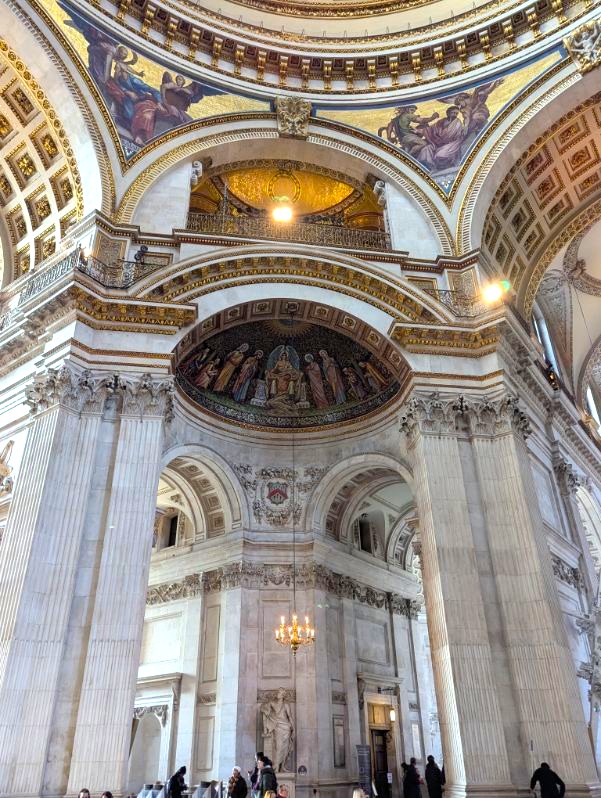
Below are some shots taken while I waited for my daughter as she explored the Whispering and Stone galleries.

At first, I thought I had taken the same picture twice, but the statues are different. This shows the consistency of the design while adding artistic differences.

The Quire, where the clergy and choir sit, is located between the Dome Altar and the High Altar. It has beautifully designed wood carvings, with

The altar is a raised platform where communion or offerings are placed. St. Paul’s has two altars on the cathedral floor; the Dome Altar pictured above is on one end of the Quire, and the High Altar pictured below is on the opposite end of the Quire.

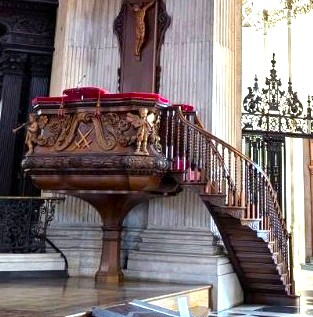
The pulpit is located between the Dome Altar and the Quire and is a beautifully carved raised platform with a spiral staircase.

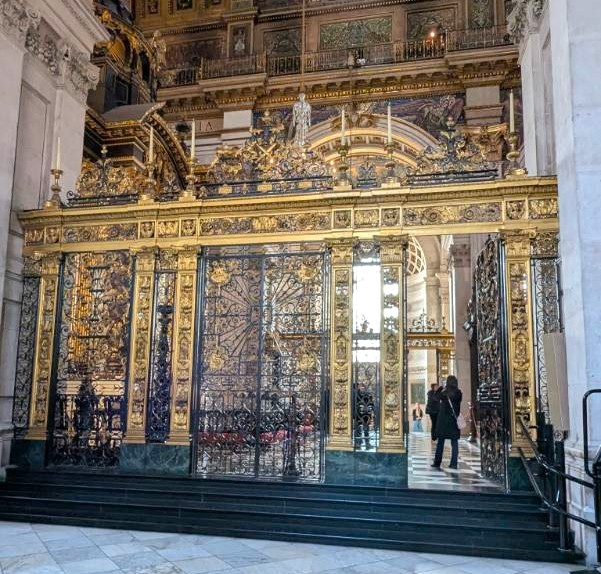
As you walk behind the Quire, you notice that the woodwork on the back is also beautiful. And just beyond that is the entrance to the High Altar.

Other things of interest were the plaques showing the church leaders from 1090 to the present.

Before we visit the Crypt pictures, there was one door that caught my eye. It seemed to go outside, but not one that we would use. The crypt was accessed through stairs on the opposite side of the Cathedral.

Above is says…Through the gate of death we pass to our joyful resurrection.

Fortunately for me, the crypt had a handicap accessible lift, and they let us use it. Like the All Saints church, there were graves laid in the floor, where people now walked. Coming from south Georgia and the ghost stories my grandmother used to tell, this gave me the “heebie jeebies”.

The Chapel of St. Faith

You can see several tombstones, most of which were dated in the mid-18oos. This is the altar and pulpit used for funerals. Some of the older tombs were above ground and very ornate with statues or ornate crypts.

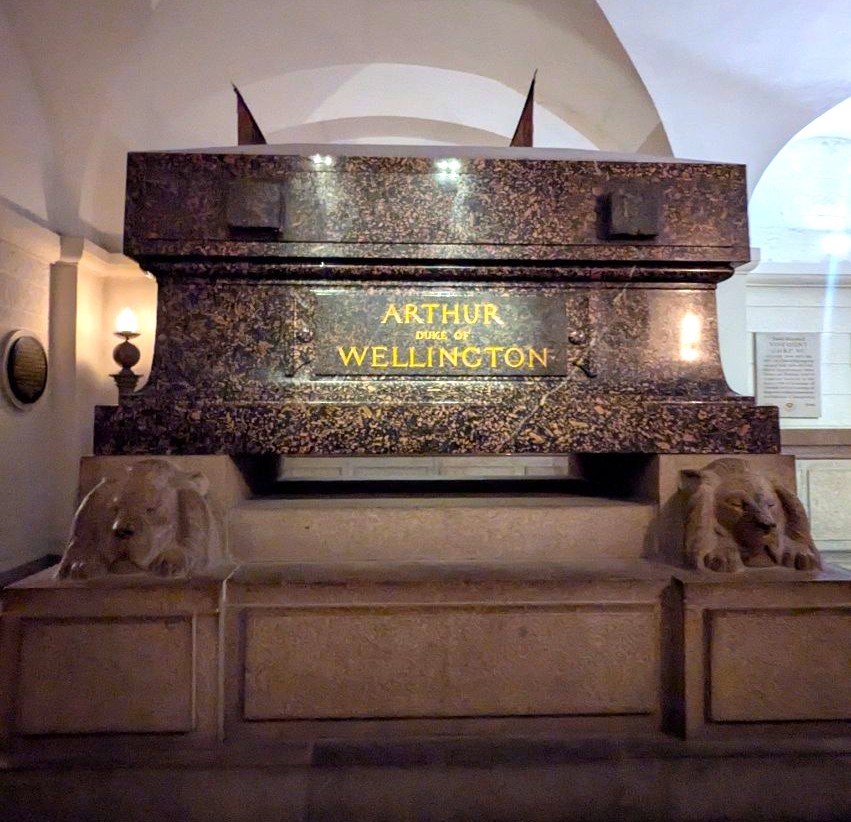
Arthur, Duke of Wellington, was known for defeating Napoleon Bonaparte at Waterloo in 1815.

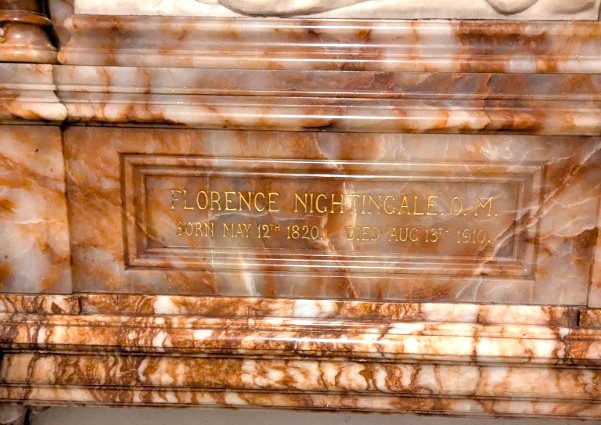
Another famous name in this crypt was Florence Nightingale. While it was unclear if she was actually buried there, she was memorialized there.

I know this was a long post, but there was a lot to share. There was a lot more we saw on day 2, but that will have to be on another post.

Always remember to show kindness where you can and sometimes be kind when it’s not fair because, at some level, kindness always wins.

Hello From London

Well, technically, I am not there now. But my daughter and I took a two-week trip over the “pond” and visited London, England, Edinburg, Scotland, and ended in Dublin, Ireland. It was a wonderful trip, and I thought I would share some of the 600 pictures I took.

On day 1, we went to All Saints Church on Market Street. When we went to New York last year and visited many of the ancient churches, I kind of knew what we would see, but this beauty is something you can’t describe; you have to see it. So, I will share my sightings with you.

The foundation stone for this house of God was laid on All Saints’ Day by Dr Edward Bouverie Pusey in 1850. Dr. Pusey was one of the leaders of the Oxford Movement, which was responsible for the Catholic revival in the Church of England. This site was previously occupied by the 18th century Margaret Chapel.

The front entrance and the overall building amazed me, knowing what tools they did not have to create such beauty.

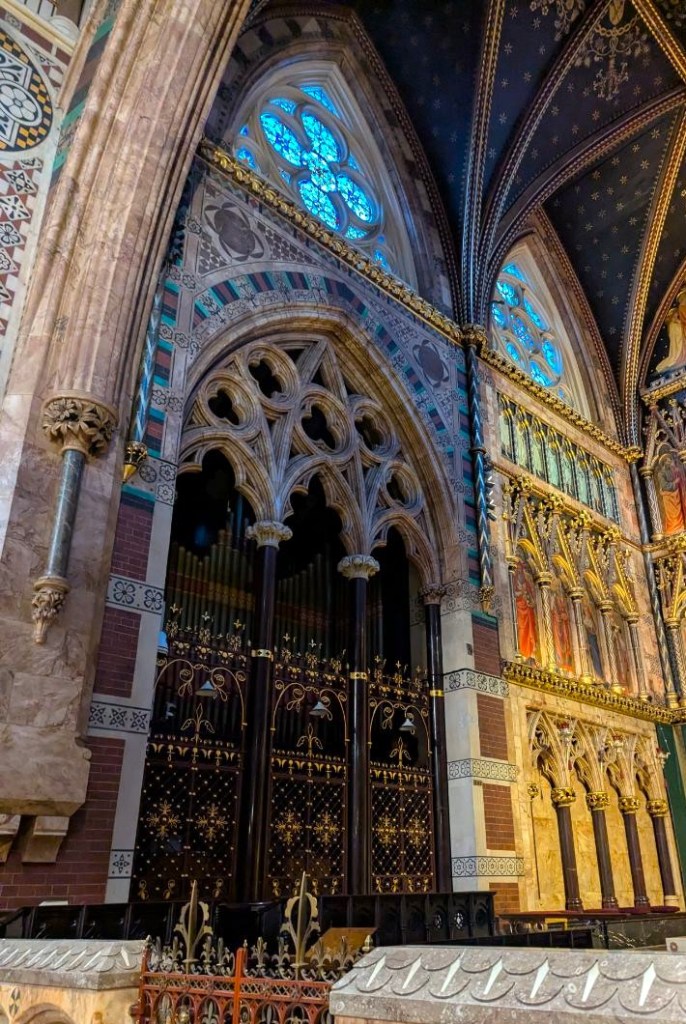
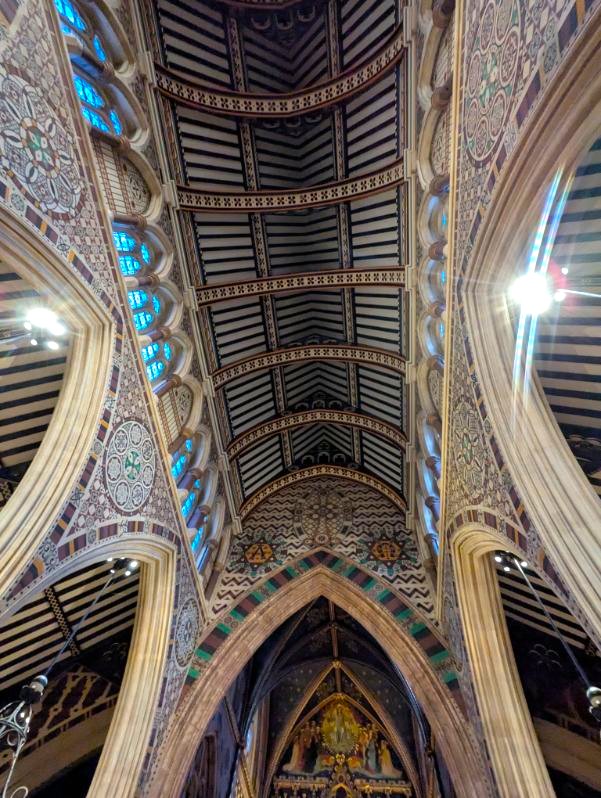
Once you got inside, the quiet beauty made you stop and just look. William Butterfield was the architect and the designer of many of the beautiful inlaid tiled walls and murals.

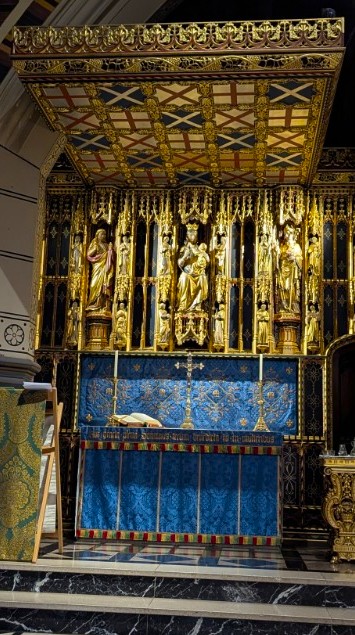
The pulpit had beautiful paintings and sculptures with gold embellished ironwork. The side of the pulpit had intricate stone and woodwork around the windows. The multi-arched ceiling above the pulpit was amazing.

The great West Window, created by Alexander Gibbs in 1877, was beautiful. It depicted several Old Testament scenes. A window depicting many of the prophets is in the northwest corner of the church. The ceiling’s main arch ran the length of the church to the pulpit.

There was another pulpit-type structure, which I assumed from the literature was the baptistry. But I am not sure. I noticed that many of the churches we went to had several small side chapels, so it may have been that. Regardless, it was beautiful.

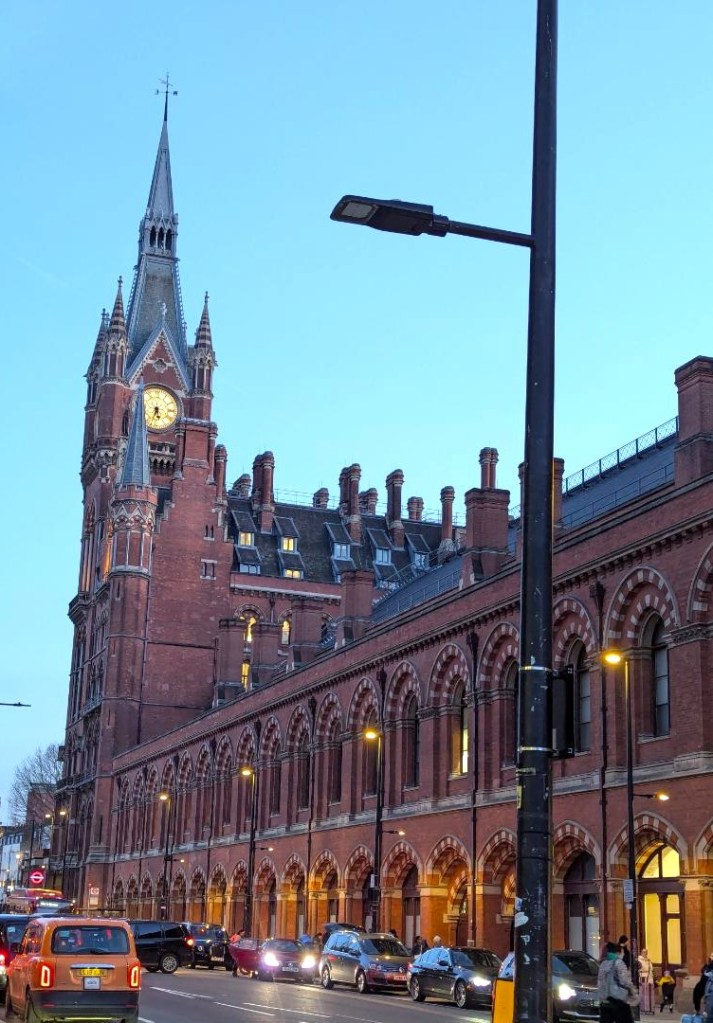
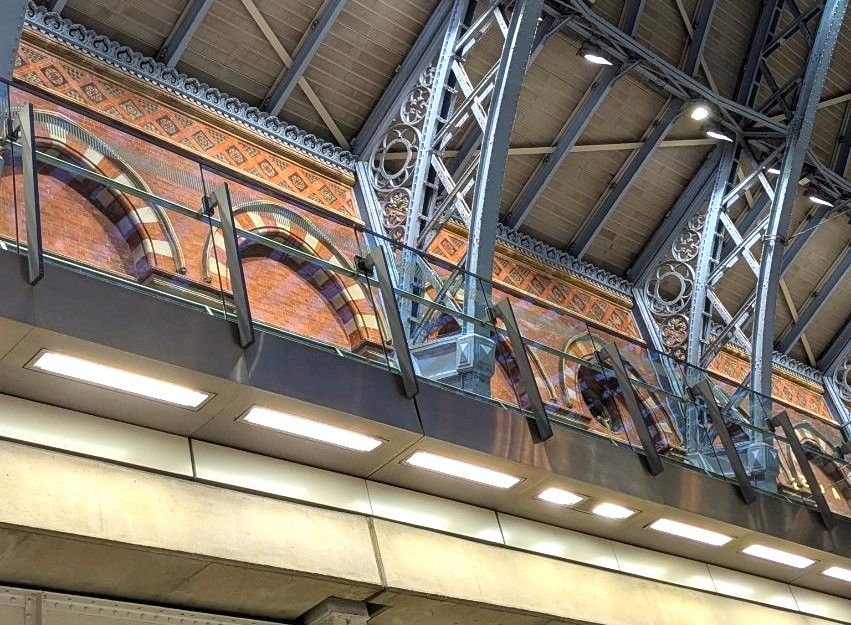
After we visited All Saints Church, we went to Kings Crossing Station, famous for the Harry Potter movies. There was a significant line for photos around the half in the wall luggage trolley. Again, the building was impressive and part of the St. Panaras Church building. This is also the church featured in the Harry Potter movies.

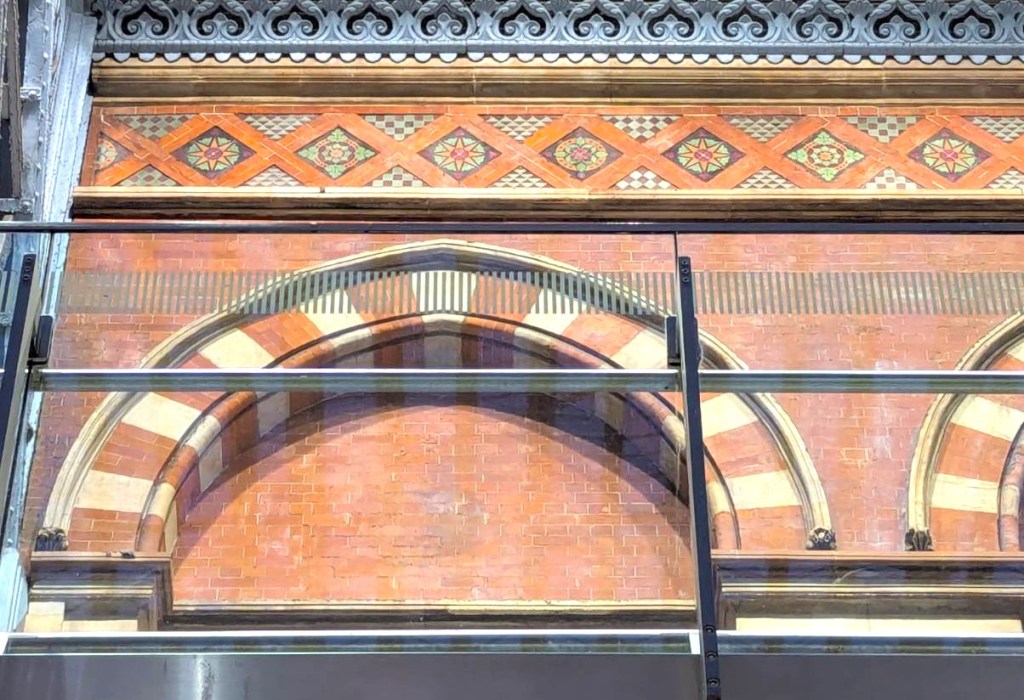
The architecture and brickwork of this building were unique and worth the photo opportunity.

This pretty much finishes out day 1 of our trip, as we only had half a day to explore due to our plane’s arrival time. Day 2 was MUCH busier, and my legs felt it. I may have to break it into two posts due to how much we saw that day.

For now, I leave you with a reminder to always be kind. Kindness has a power that can change a situation if it is allowed the opportunity.