
There was so much to see there that my brain is still on overload. So, I will take the time today to share some of the sights we saw while walking around London on day 2.
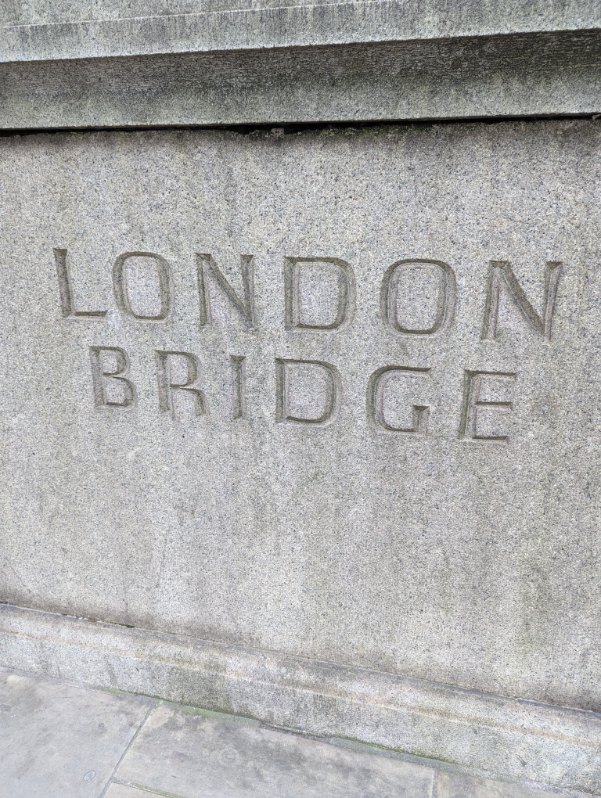
The walk along the River Thames was as enjoyable as it was relaxing, and I learned a bunch of stuff, like the image in my head of London Bridge is actually Tower Bridge as it leads to the Tower of London. London Bridge is a concrete bridge much like the ones we see today with wide walkways for people to walk.

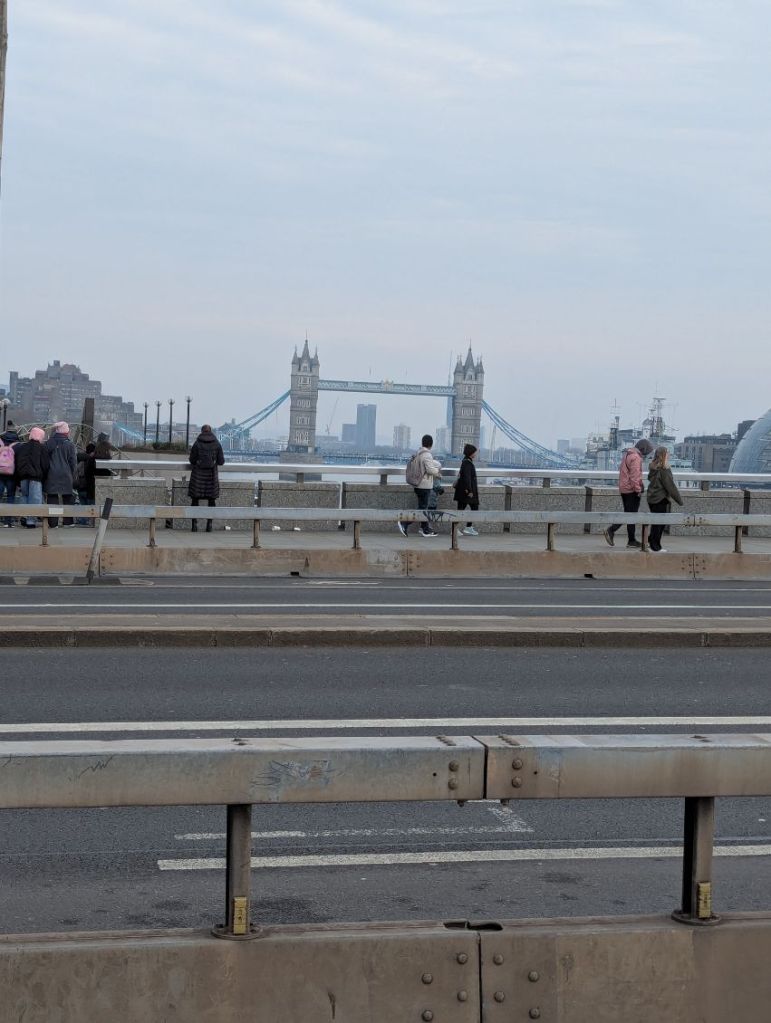
Tower Bridge is much more graceful and elegant than the other bridges in London. It was built in 1894 with roadways that lift for passing ships. It is an engineering marvel and an icon for London.

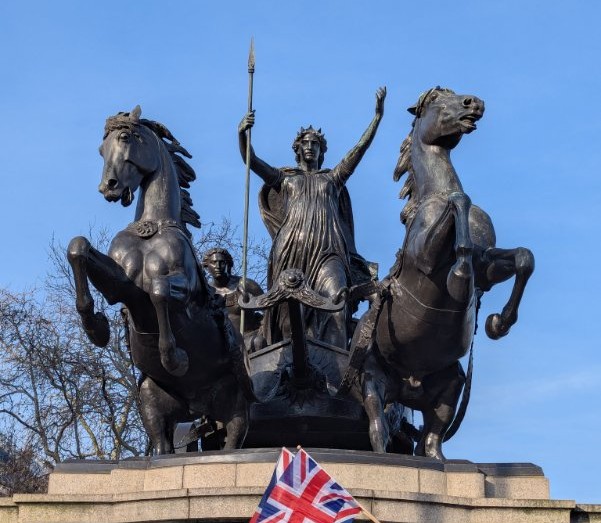
Continuing your walk down the Thames, the first statue/monument you see is that of Queen Boudica. Boudica or Boudicca was a queen of the ancient British Iceni tribe who led a failed uprising against the conquering forces of the Roman Empire in AD 60 or 61. She is considered a British national heroine and a symbol of the struggle for justice and independence.

Our goal was to walk down to Cleopatra’s Needle. Cleopatra’s Needle in London is one of a pair of obelisks, together named Cleopatra’s Needles, that were moved from the ruins of the Caesareum of Alexandria, in Egypt, in the 19th century. Inscribed by Thutmose III and later Ramesses II of the Egyptian New Kingdom, the obelisk was moved in 12 BC to Alexandria, where it remained for over 1,800 years.
It was presented to the United Kingdom in 1819 by the ruler of Egypt and Sudan Muhammad Ali as a diplomatic gift. Although the British government welcomed the gesture, it declined to pay to move the obelisk to London. It was subsequently erected in the West End of London on the Victoria Embankment in Westminster in 1878.
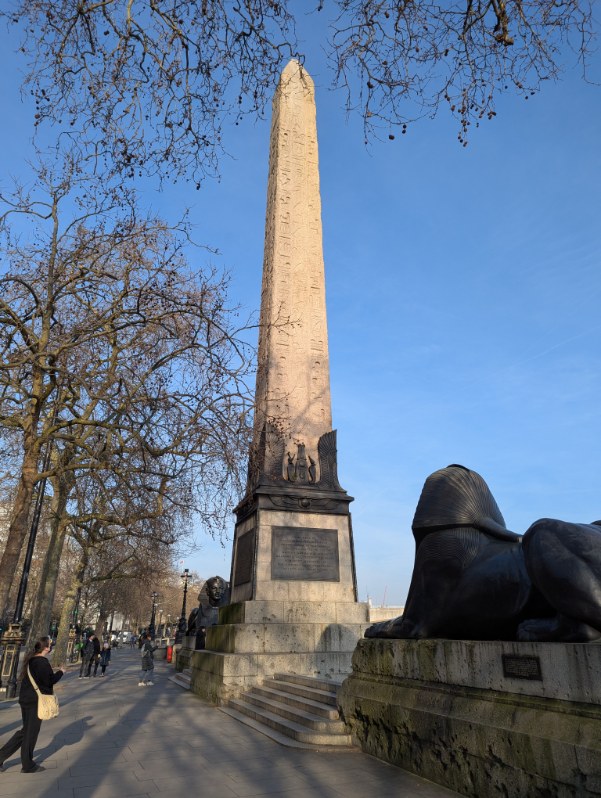
On either side of the Needle are Sphinx that protect it. Along the bottom of the Sphinx, you will see holes and damage from bullet/shrapnel fire during WWI.


As we walked through the city, we kept seeing this tall monument. I took pictures from several streets that showed it’s central location of the area. Standing 202 feet high and 202 feet from the spot on Pudding Lane where the great fire is thought to have started, The Monument to the Great Fire of London is the tallest isolated stone column in the world.


Below are other buildings with interesting architectures that I enjoyed.


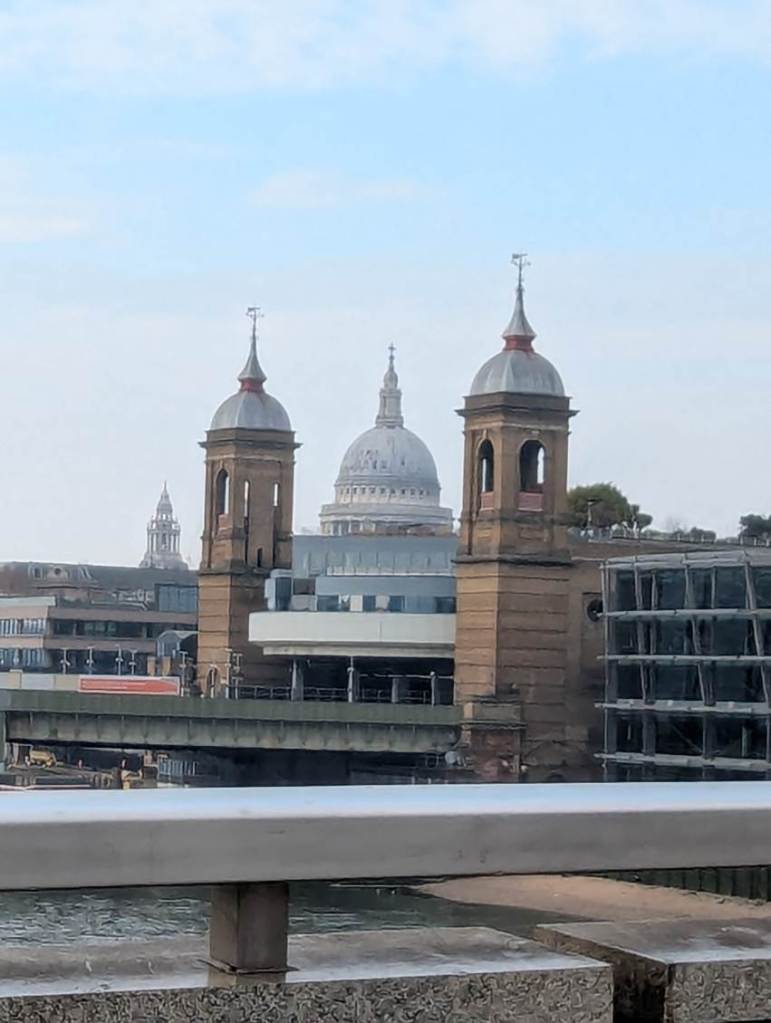
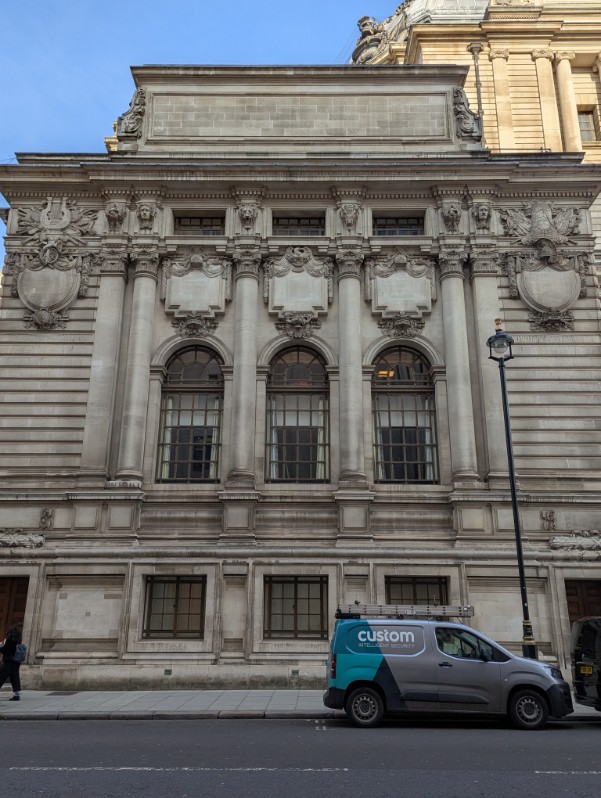

I hope you have enjoyed these as much as I did. I am always fascinated with these grand structures built so many years ago with such grace, elegance, and artistry.
I close with a reminder to be kind and show that we can change the world with kindness…if everyone is kind.


































 For the Love of